
- First Name
- RJ
- Joined
- Sep 18, 2024
- Threads
- 7
- Messages
- 76
- Reaction score
- 444
- Location
- California
- Vehicle(s)
- 22 badlands
- Your Bronco Model
- Badlands
- Thread starter
- #1
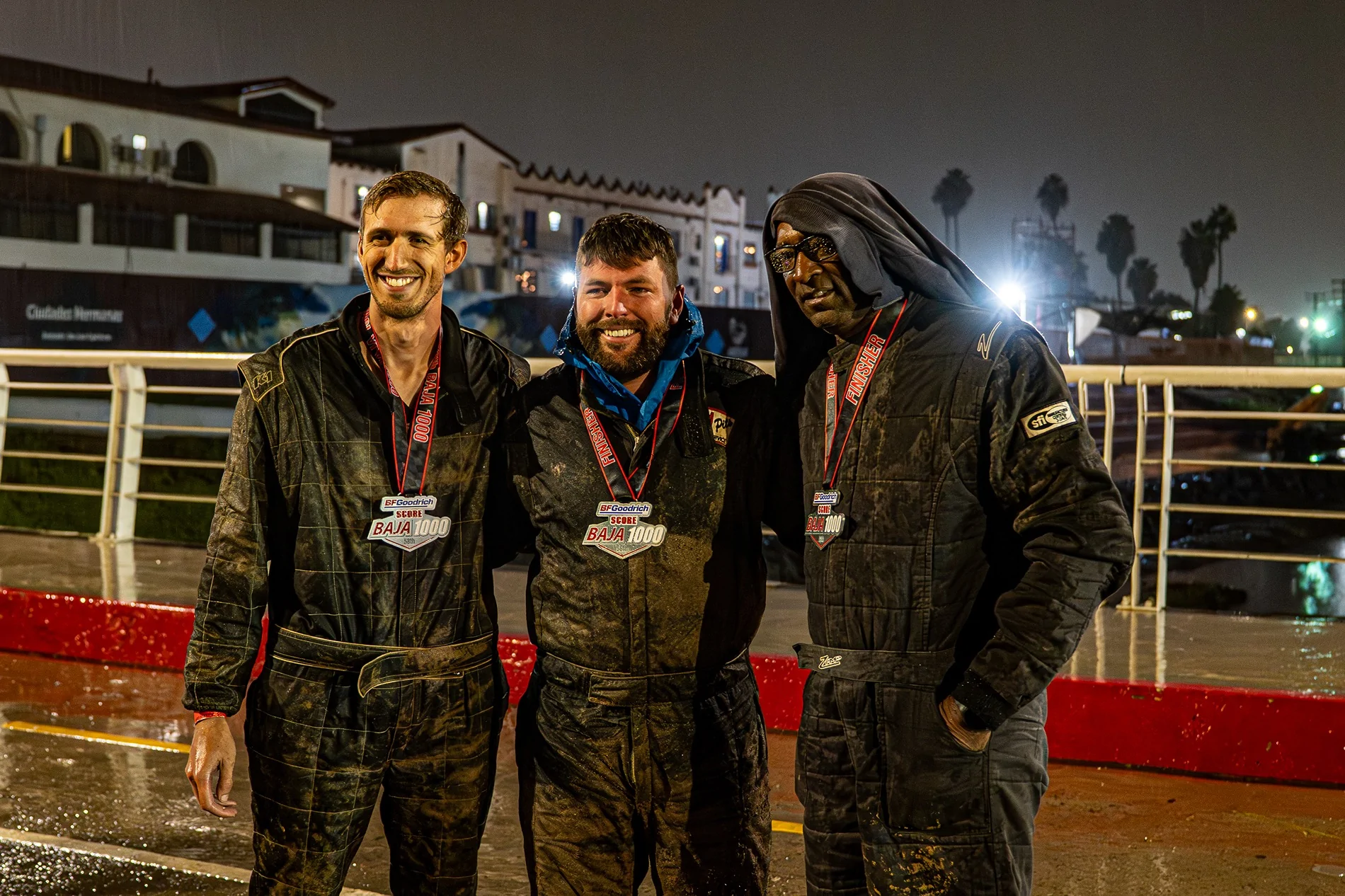
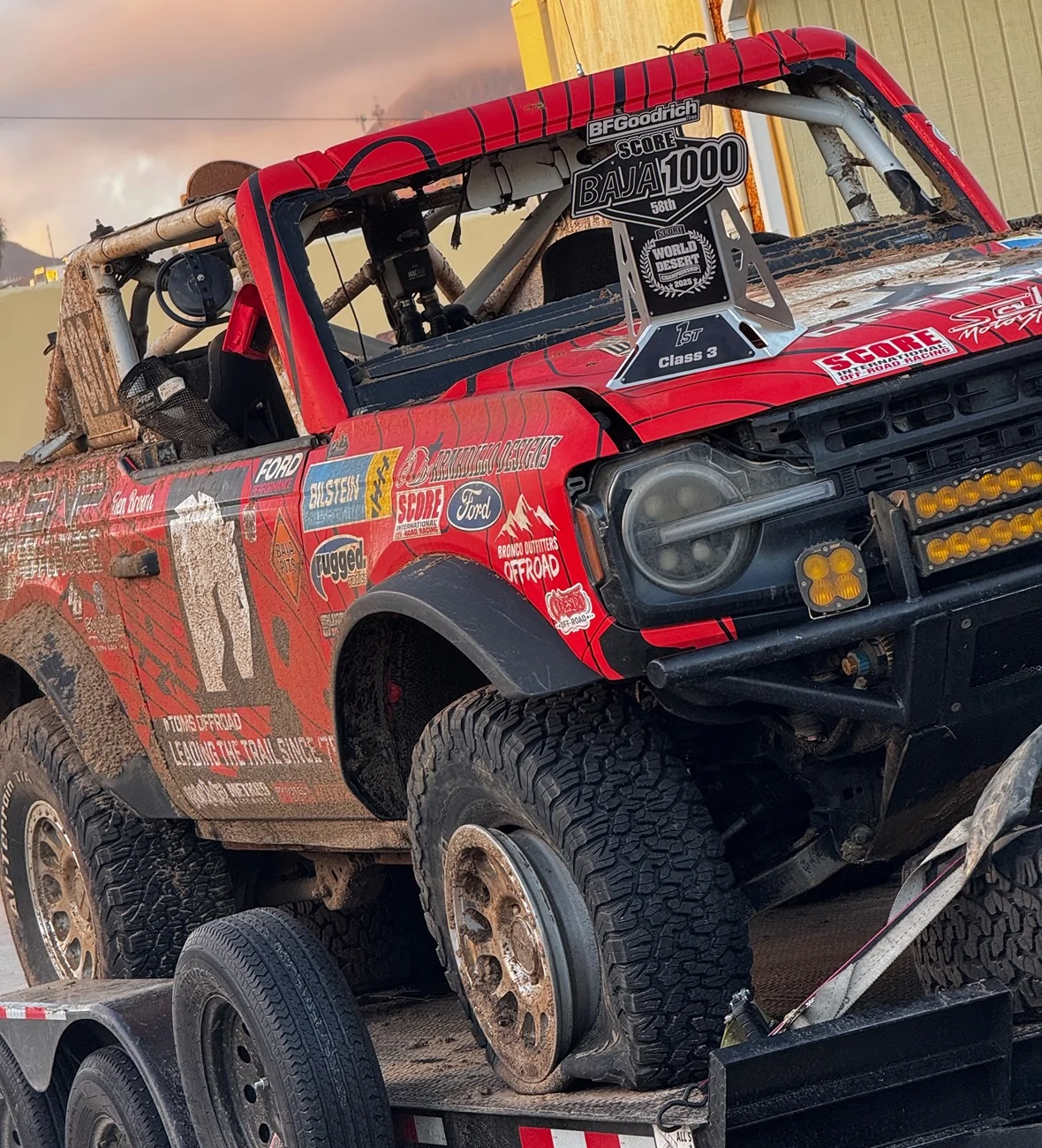
Been asked by multiple people for a complete breakdown of the Baja 1000 so here it is! I’ll be taking a deep dive of all aspects of my first ever off road race. This was a huge milestone in my life and the beginning of my racing journey. This review has taken me a little longer than anticipated to complete, it’s been a busy month of playing catch up.
Many people perceive racing in the Baja 1000 as unattainable, primarily due to the spotlight on trophy trucks and other multi-million dollar race programs. However, this perception is far from the truth. The Baja 1000 has always been a race open to anyone willing to put in the time and resources necessary to get there. As Sal Fish himself stated in the Dust to Glory Documentary, "I want to make sure that our hardcore grassroots guys are always at SCORE and there's a place for them to race." This race is accessible, and it welcomes those with that passion for off road racing and competition. This is how I made it happen and how the vehicle handled one of the most difficult races in the world.
Build Process
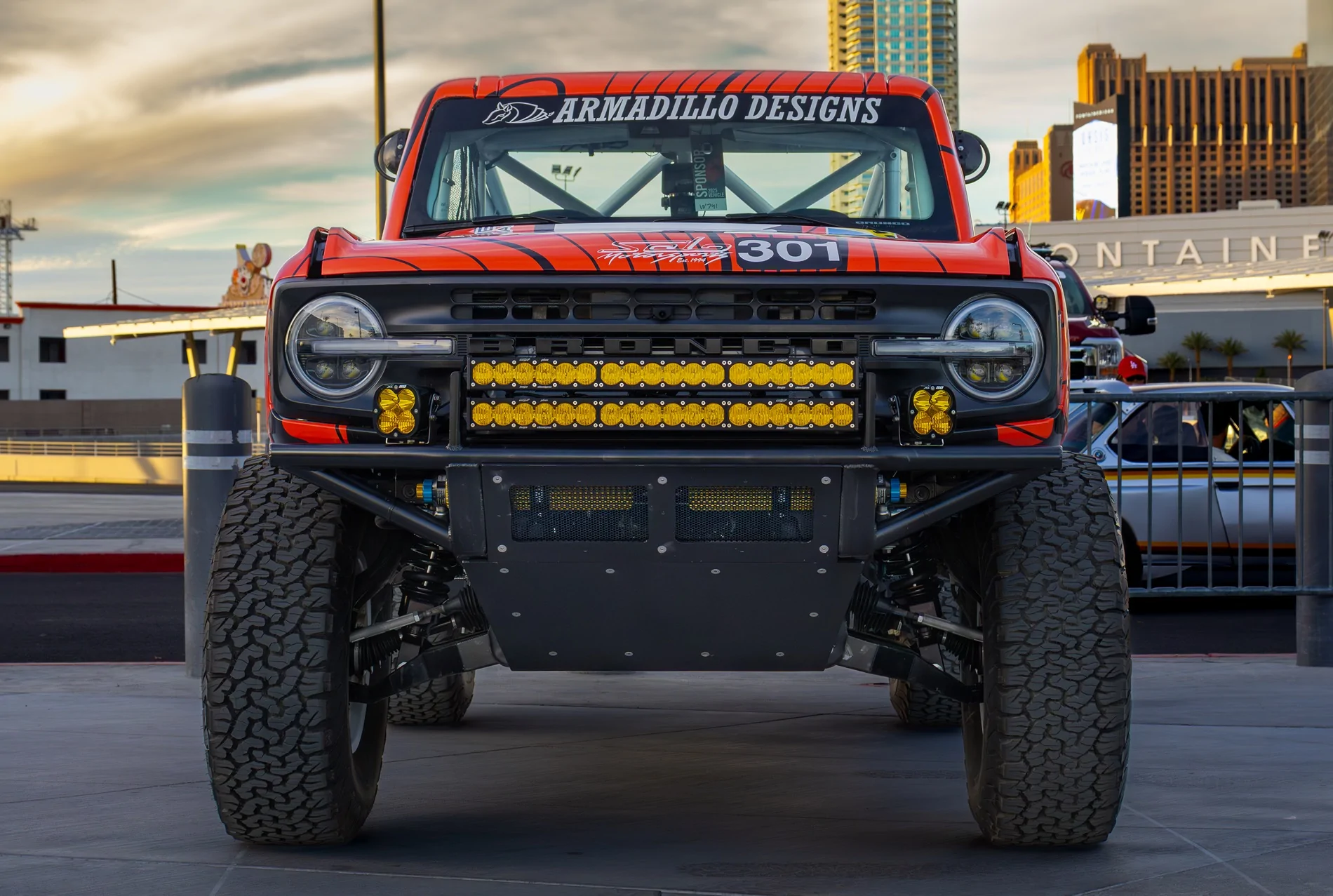
This race stared with an idea. I wanted to finally do my number one bucket list item… Race the Baja 1000. My 2022 Ford Bronco Badlands and how capable it was a huge driving factor to deciding 2025 was the year that I was going to do it. Originally, I had planned on building that vehicle to do the race. Racing your daily driver is less than ideal but I was 100% determined to make this happen. I was willing to do whatever it took. I couldn’t afford to buy another Bronco to build into a race vehicle, so I had to use what I had. One day I was scrolling through Facebook Marketplace when I stumbled on a 2023 Bronco Black Diamond that was totaled and sitting in a salvage yard. This was perfect for what I was doing. Buying a totaled vehicle would potentially save me tens of thousands of dollars compared to purchasing a new or used one. Being self funded I needed to save money wherever I could. So… I bought it.
At this point I had less than 5 months to get this car race ready. Time was absolutely not on my side. Because of this I couldn't afford to spend too much of that time searching for deals on parts or services. This urgency meant many components would be more expensive than if I had taken my time to find better options. Securing sponsors proved to be a challenge as well, particularly because I had zero racing experience. I needed to find companies that believed in my conservative strategy and were willing to take the gamble of investing in my race. This short of a timeframe was incredibly difficult to accomplish so I absolutely don’t recommend it do anyone trying to get to the race on a budget. Taking a year or two to build a vehicle would probably have been tens of thousands of dollars cheaper, but my personal goal was racing in 2025.
Remarkably, we built the car in under five months. The short timeframe did lead to many late nights and forced us to take shortcuts during the build. This also resulted in missing out on vehicle testing and preruning the course. In fact, we didn't fully complete the car until the night before the race. Having more time would have been beneficial in addressing potential weaknesses and could have saved us hours during the race itself due to unforeseen issues. Biggest piece of advice I have regaurding the build process is to take your time, get everything built right, and get some good testing done beforehand.
The Plan
The only goal for my first Baja 1000 race was simply to make it across the finish line. While it is a race with other vehicles on the course, as a brand-new driver with a race team that had almost no experience, just finishing the race would be a huge achievement in itself.
Our strategy revolved around maintaining a conservative pace. We aimed to run at a speed that would allow us some buffer time in the event of mechanical failures, while also minimizing unnecessary risks to the vehicle. This approach required constant vigilance and discipline. It was essential to remind ourselves not to push too hard during the race.
However, sticking to this plan was challenging, particularly when we spotted dust from other vehicles ahead. The instinct to overtake another competitor can be overwhelming, and we had to remain committed to our strategy to avoid compromising our overall goal of just finishing the race.
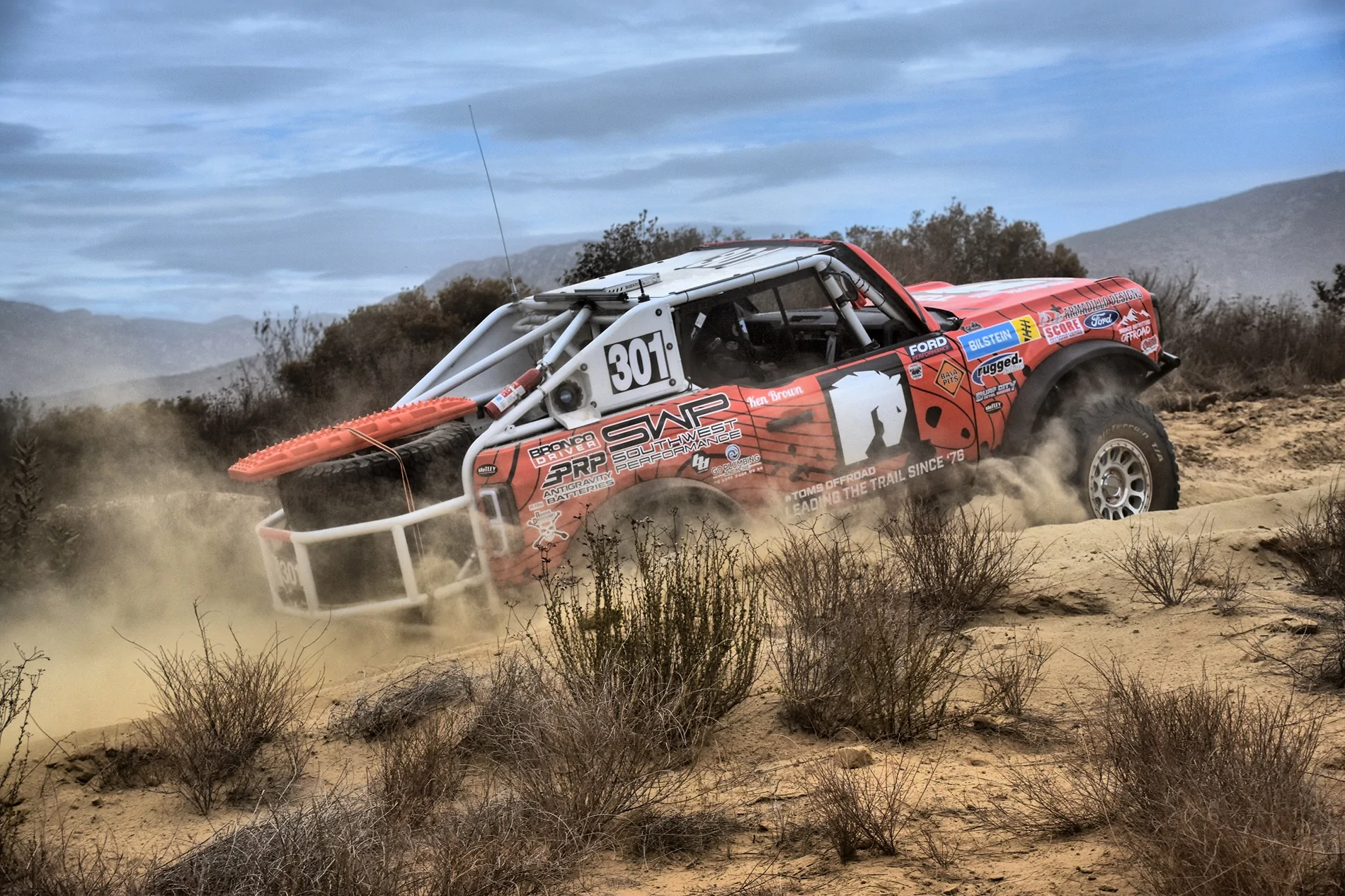
The Plan in Action
While a plan may seem great on paper, the reality of things often reveals areas for improvement. Entering the Baja 1000 as a first-time racer, I approached the event with zero experience, relying heavily on knowledge gained through conversations with established race teams and online research. Overall, our planning was effective, but there are certainly aspects I would rethink for future races.
One of the most significant changes I would personally make involves our fuel strategy. Due to regulations in Mexico, we were not allowed to bring fuel from the U.S. so all race gas had to be purchased in Mexico. To facilitate this, I enlisted the services of a pit crew that could help with fuel procurement, which cost around $700. Unfortunately, the cheapest fuel option they provided was $11 per gallon. I opted for this service because purchasing dump cans with dry breaks, which would cost approximately $600, was beyond my budget. I also didn’t want my chase team burdened with carrying 55-gallon drums throughout Mexico.
However, using the pit service resulted in essentially doubling our pit stop times. I essentially had to stop twice per pit stop. One for vehicle servicing and another specifically for fuel. In hindsight, consolidating these tasks could have potentially saved about 40 minutes off our total race time. Additionally, since I was driving a factory vehicle, there was no requirement for race gas, so I realized that investing in dump cans could save significant money in the long run by allowing us to use lower-cost fuel instead.
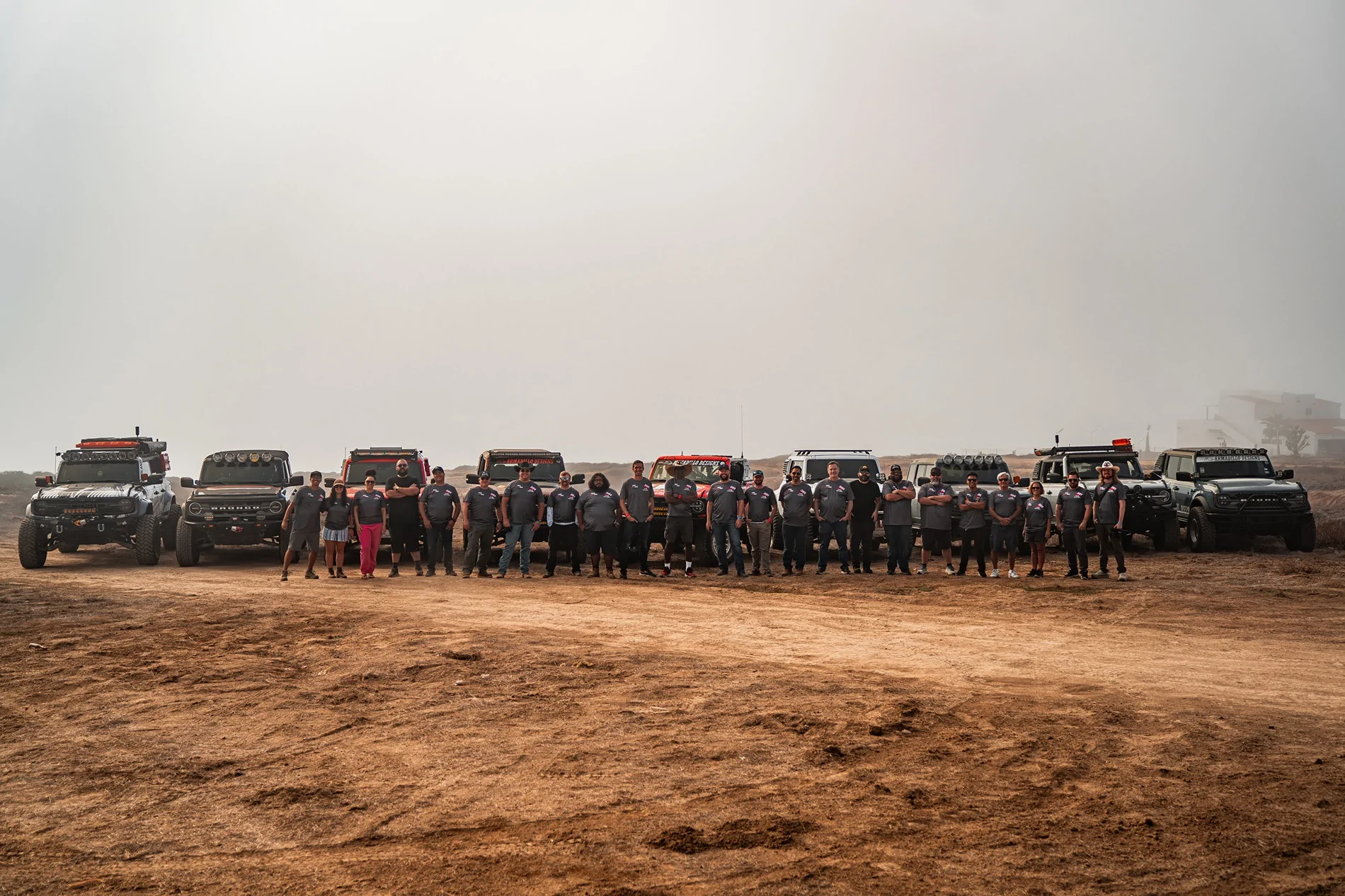
I was incredibly fortunate to have a dedicated team of 25 people for chase and pit support throughout the race. For those who may not have such a large team, utilizing a pit service can be a great alternative. While our overall plan was solid, I would still make several logistical adjustments for greater efficiency in future races.
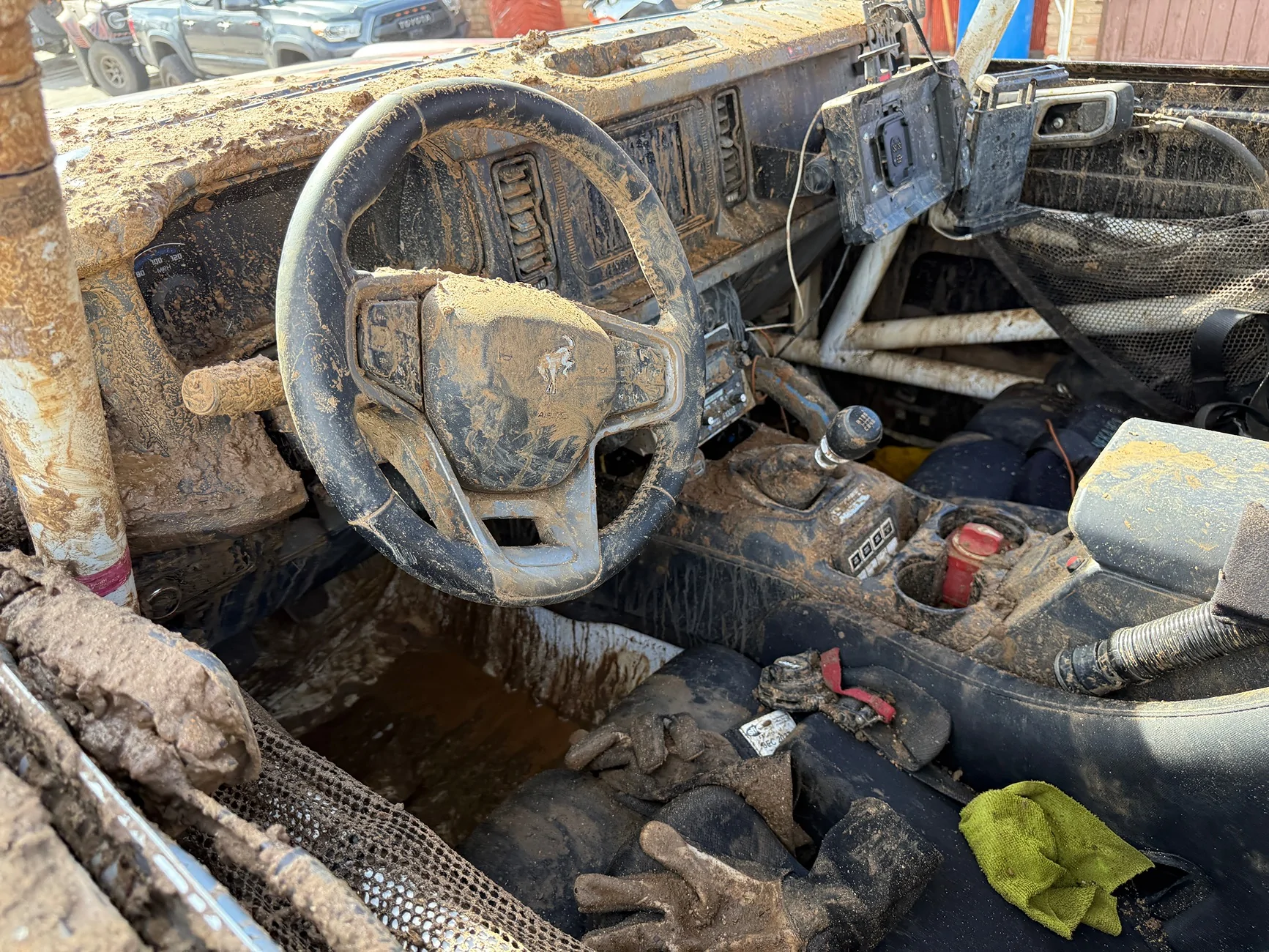
The Aftermath
Completing the Baja 1000 was undeniably the most difficult thing I have ever faced. This year, the Baja race was particularly tough as well. It was one of the most difficult courses seen in years. The conditions were exacerbated by the heaviest rainfall the race had experienced in decades, resulting in nearly 48% of the participating vehicles failing to finish.
In the following paragraphs, I will provide an in-depth review of the various parts of the vehicle that that were essential for the race. Some of which experienced significant wear and tear. While my Bronco was very close to stock, there were a few aftermarket components installed to enhance its performance and durability, which ultimately played a huge role in successfully navigating the grueling course.
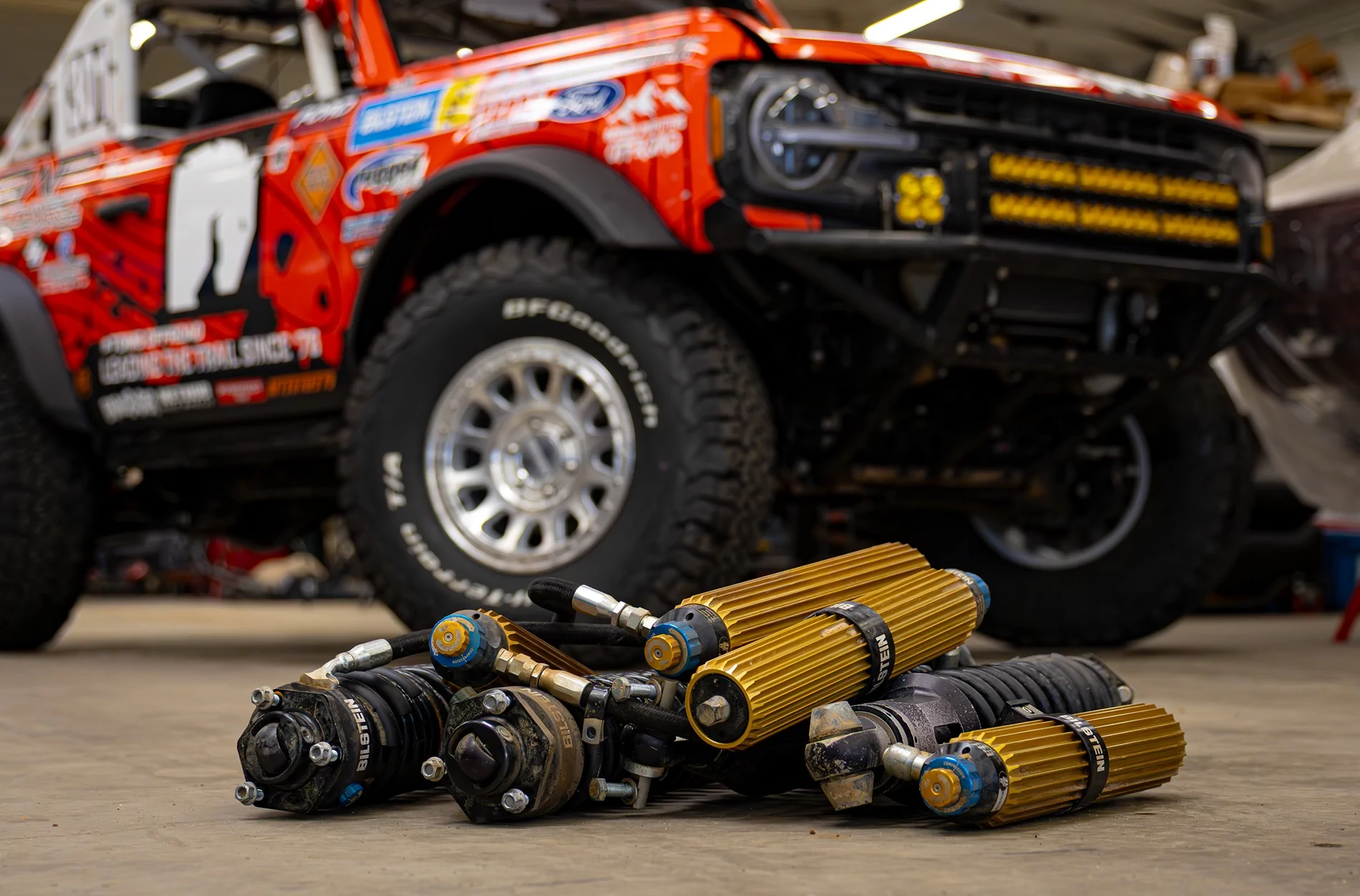
The Shocks
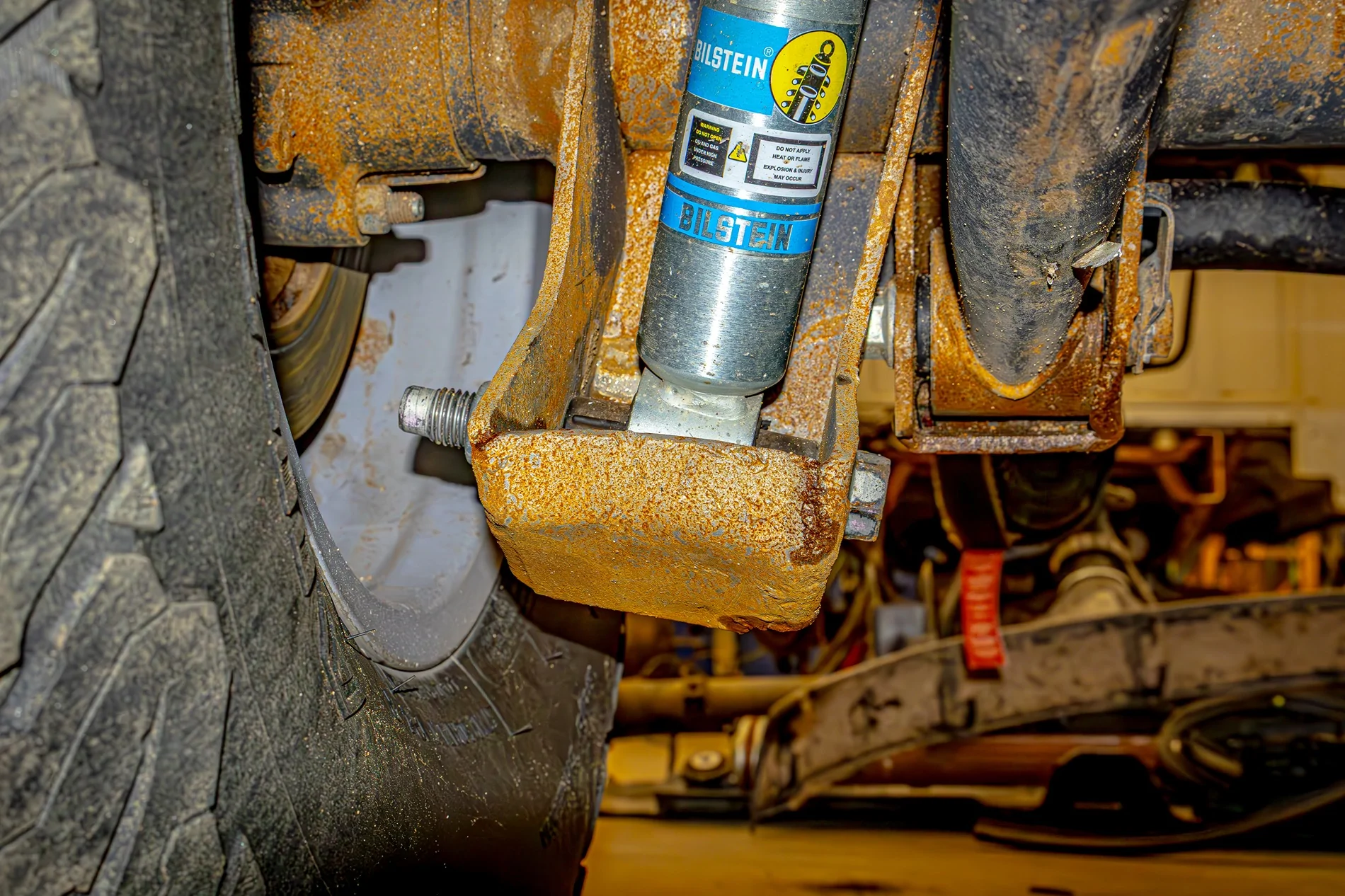
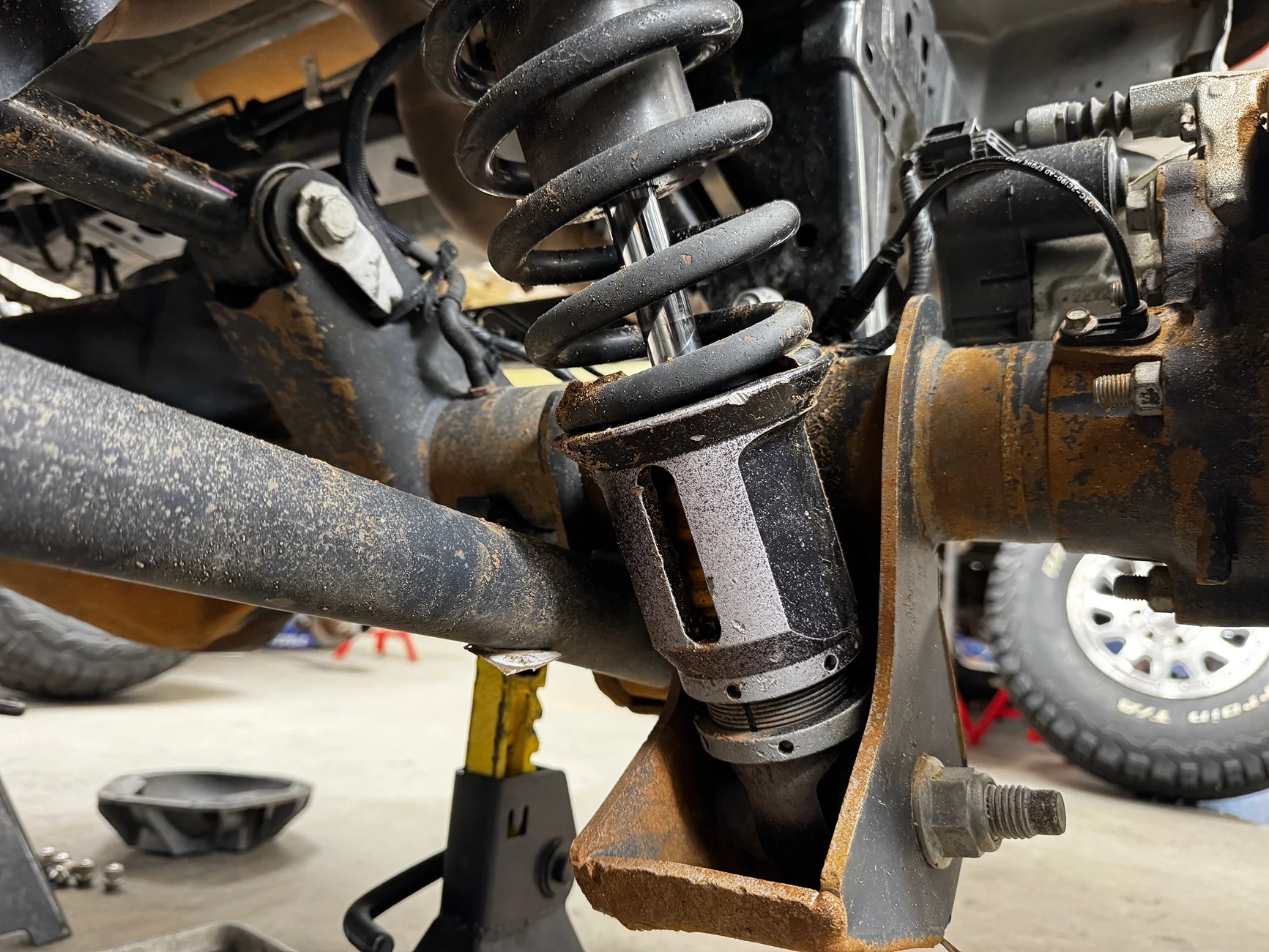
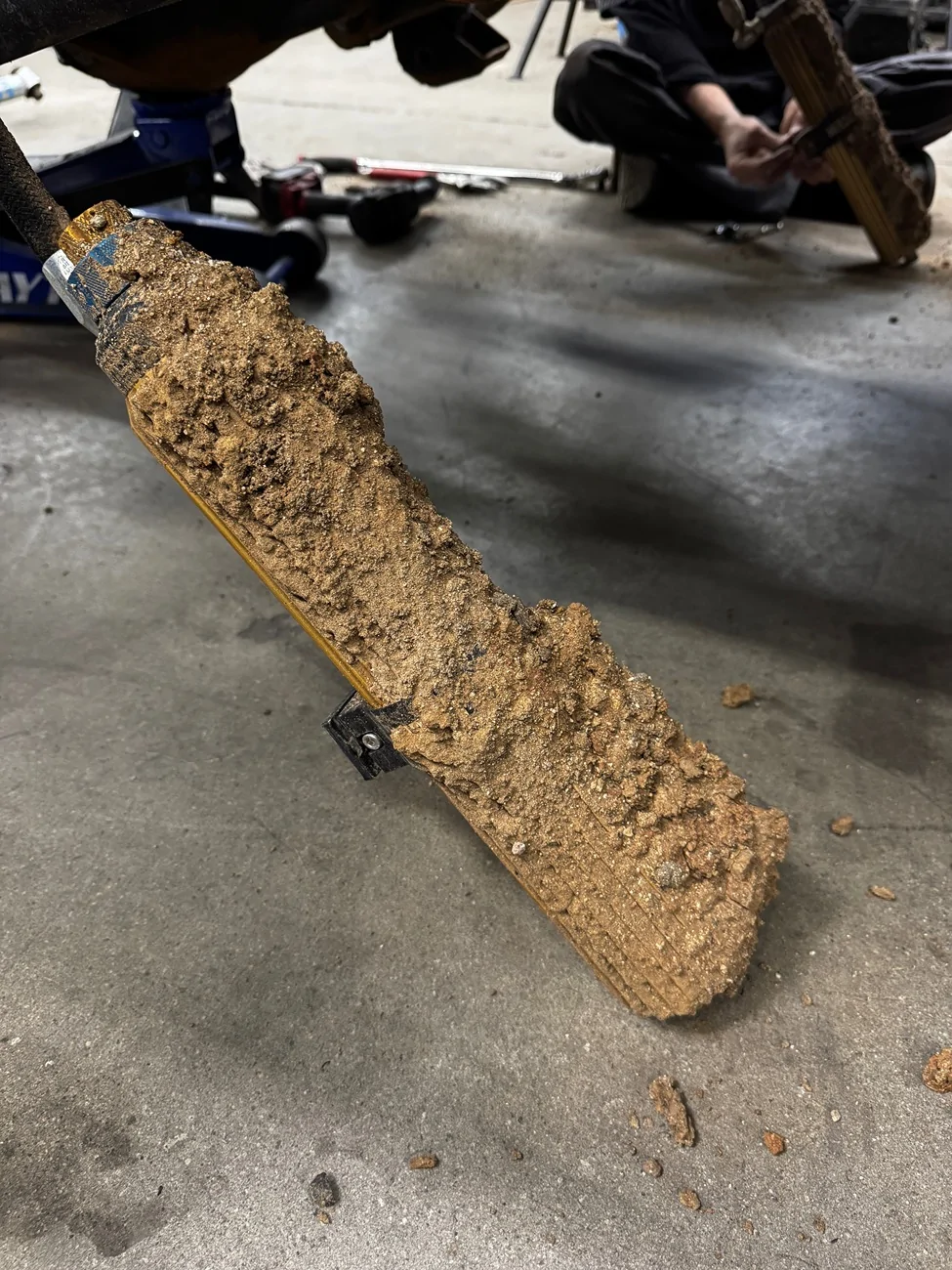
For the Baja 1000, one of the significant changes I made to my Bronco was upgrading the shocks. We installed a custom set of Bilstein 8112 Black Hawk shocks, which are an impressive engineering achievement. These shocks come equipped with built in limiters and bump stops, all integrated into a compact design.
While these shocks can be somewhat pricey, the internal components save consumers thousands of dollars by eliminating the need to purchase separate bump stops, limiting straps, or spending money on fabrication work to add these additional parts. They are a 100% bolt-on product, compatible with all OEM suspension components.
The main differences between my set and a standard set typically purchased include larger reservoirs to help with cooling during a 36-hour long race, as well as some custom valving work tailored for my specific characteristics.
Bilstein also plans to create a video highlighting the shocks I used during the race. The video will feature a complete teardown and comparison of a new set with mine, showcasing how the Baja 1000 impacted the internal components. Be sure to keep an eye out for that!
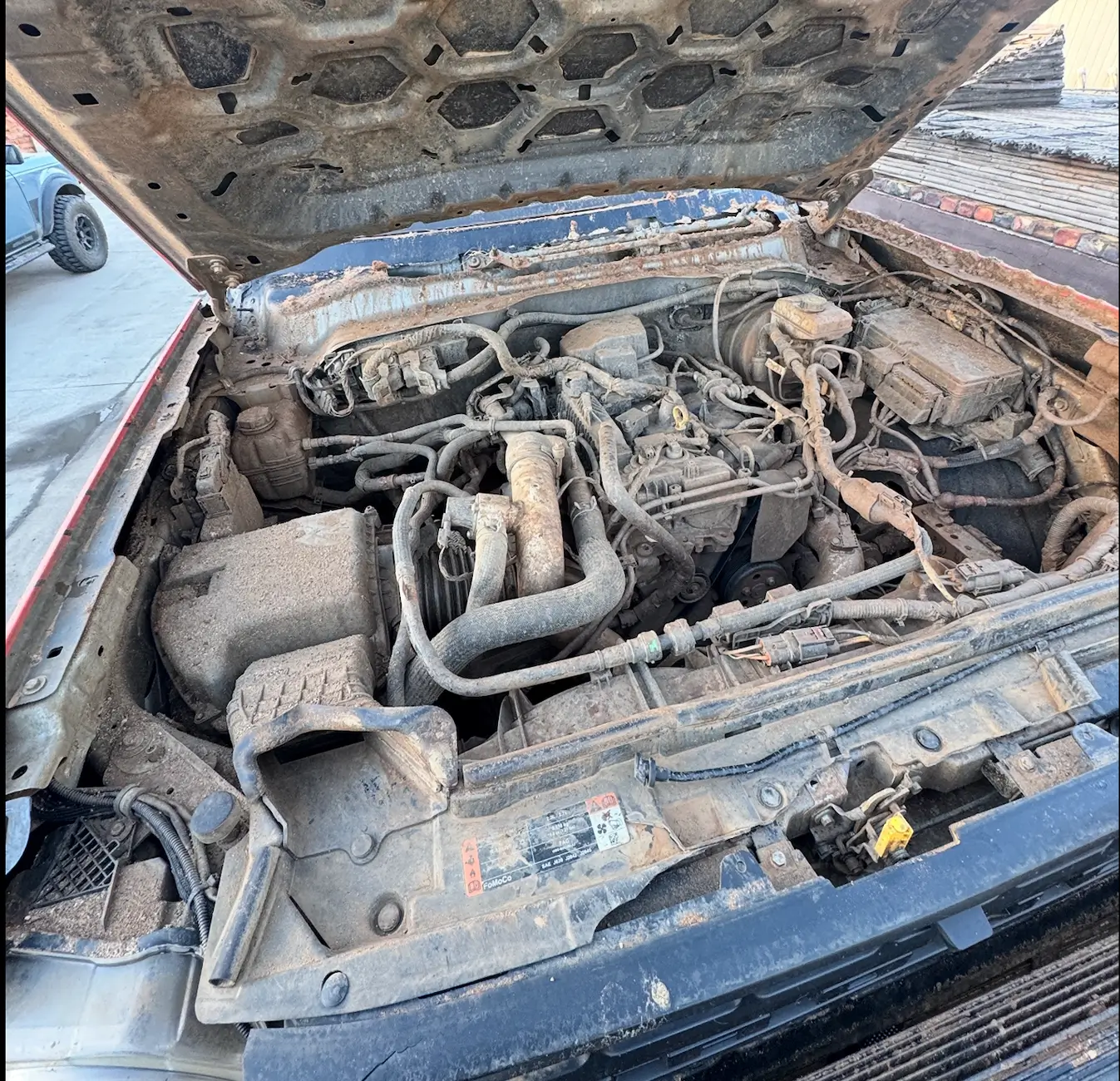
The Engine/Transmission
The engine and transmission in my Baja 1000 vehicle were almost completely stock. The race Bronco is equipped with the 2.3 EcoBoost engine paired with a manual transmission, and I cannot emphasize enough how "mostly stock" this setup truly was. It runs the factory tune, intake, radiator, and clutch. The only change is was the intercooler was relocated to improve ground clearance approach angle at the front of the vehicle.
I am an huge supporter of this engine and transmission combination. It is undoubtedly my favorite setup. Throughout the race, we never encountered a lack of power while navigating obstacles on the course. Impressively, the engine continues to perform strongly even after the grueling conditions of the race.
When it comes to the engine, I couldn't be happier with its performance. This is one component I see no reason to change. Ford got it right with this setup, so I firmly believe in the saying “if it isn't broken, don’t fix it”.
The Differentials
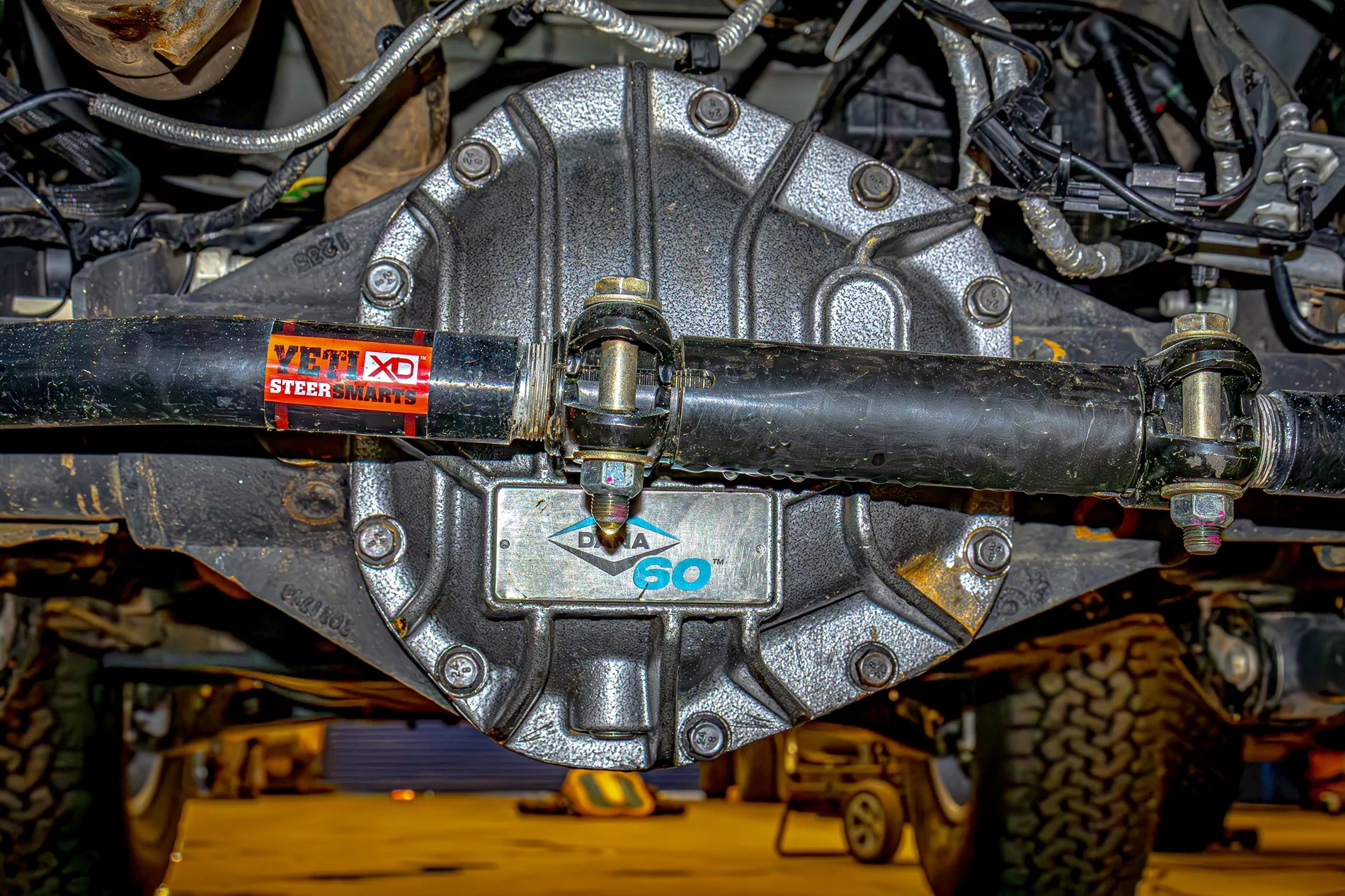
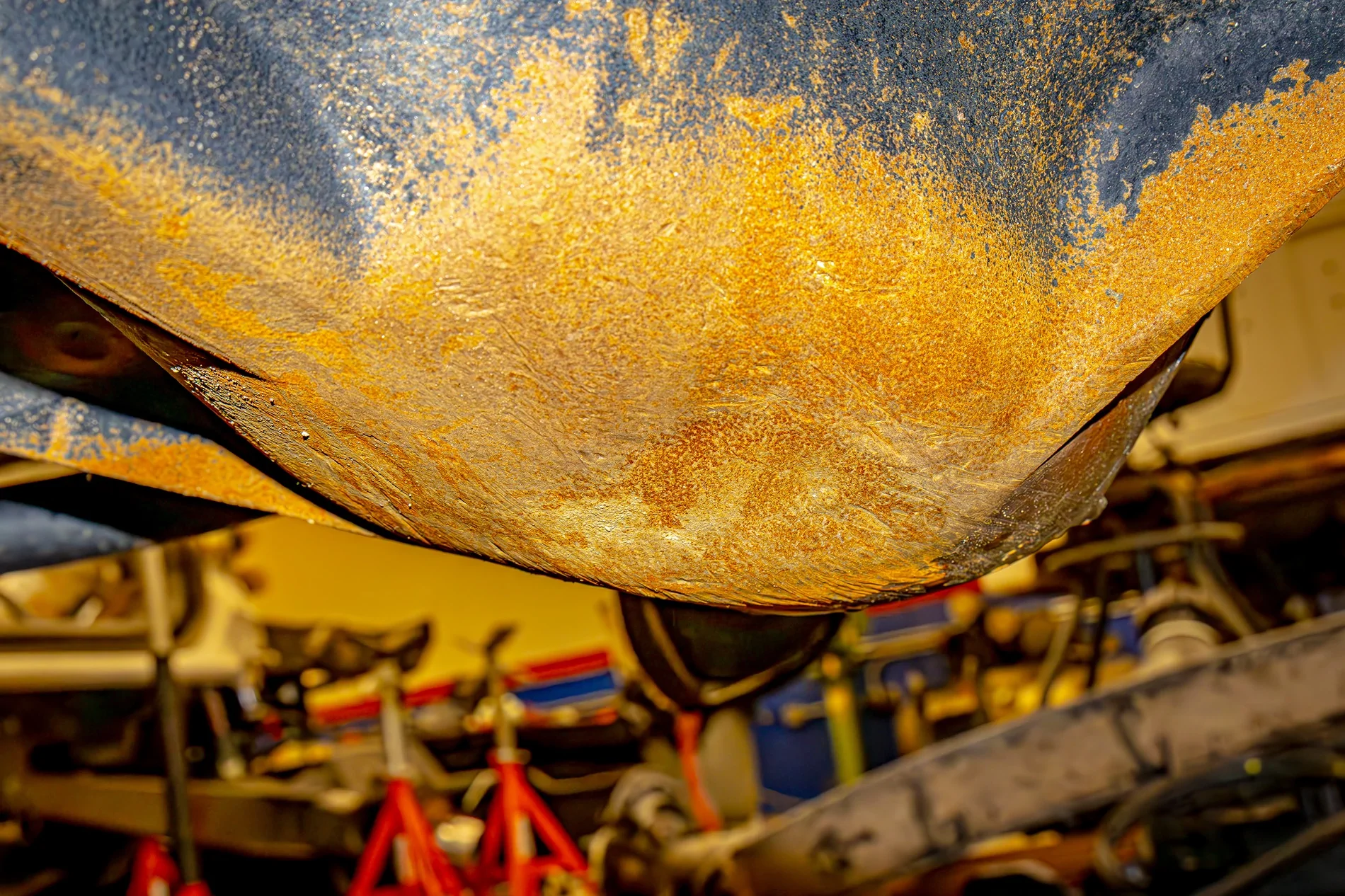
Another significant modification I made was to the front and rear differentials. This change was driven by a couple of factors. Since I planned to run 37" tires for the race, I wanted to ease the strain on the 2.3.This engine is increadibly strong for its size, but I did want to help it with the increase in rotational mass. To achieve this, I went with a 5.38 gear ratio. This made the replacement of the M190 differential in the front required.
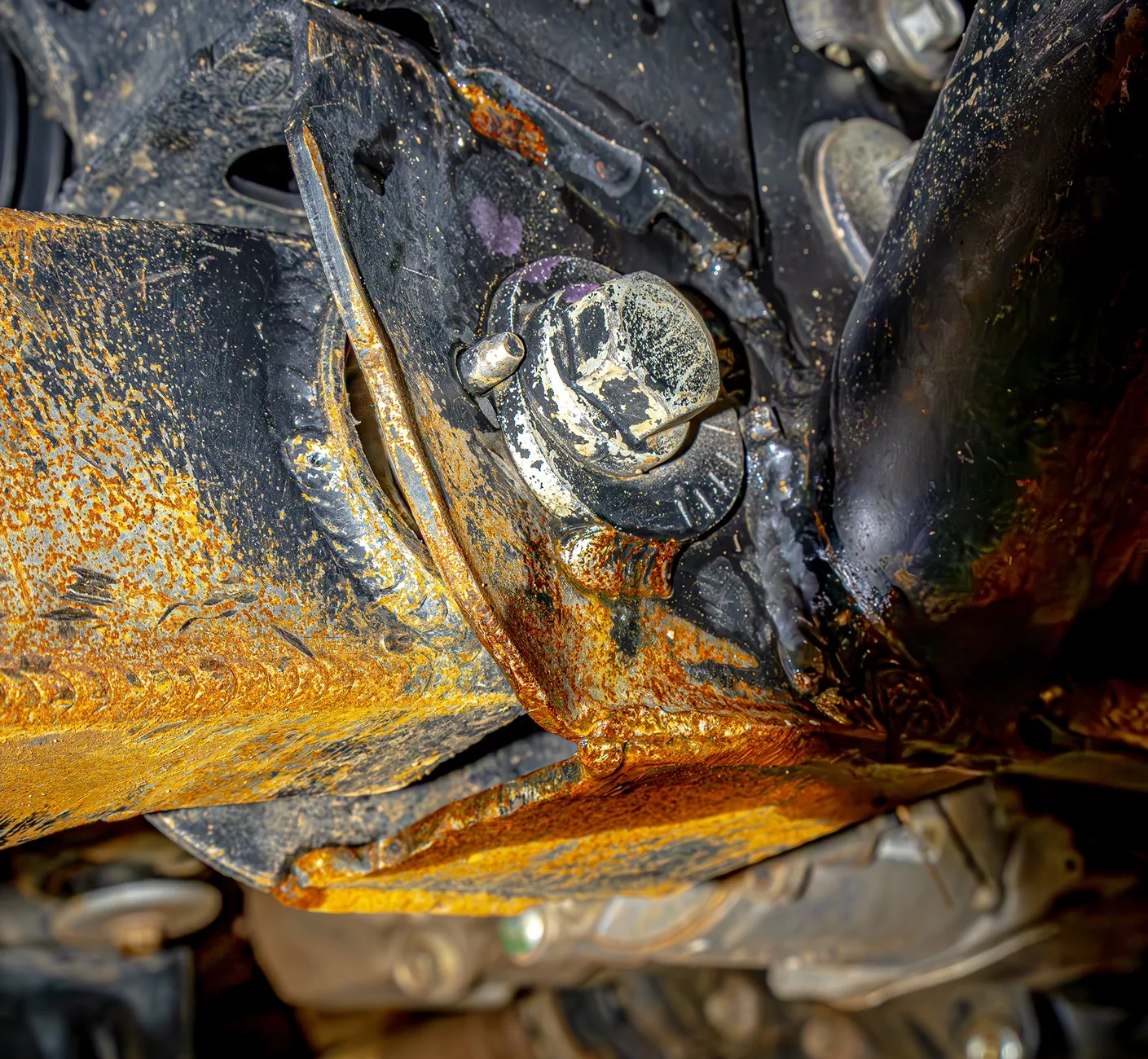
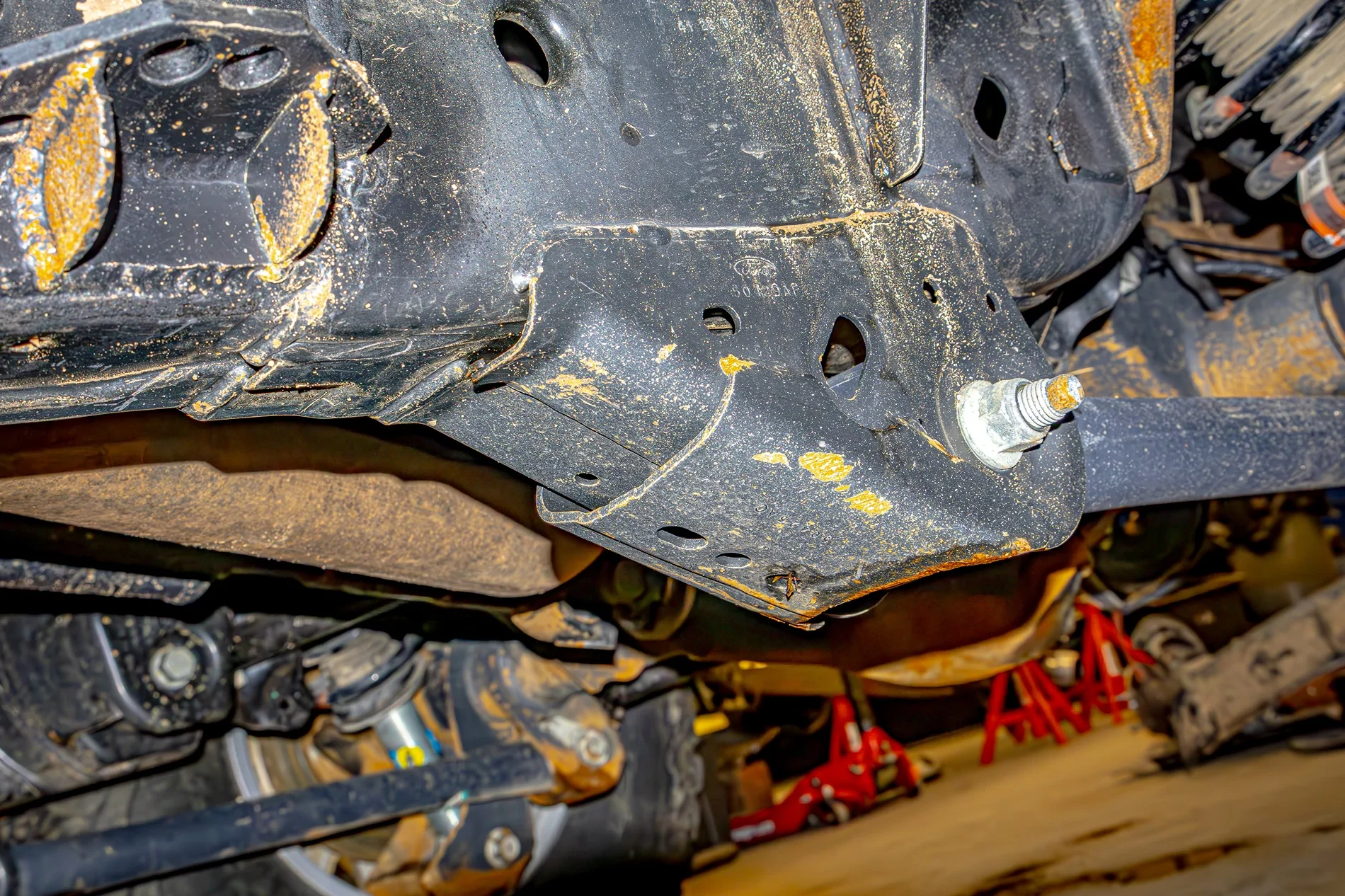
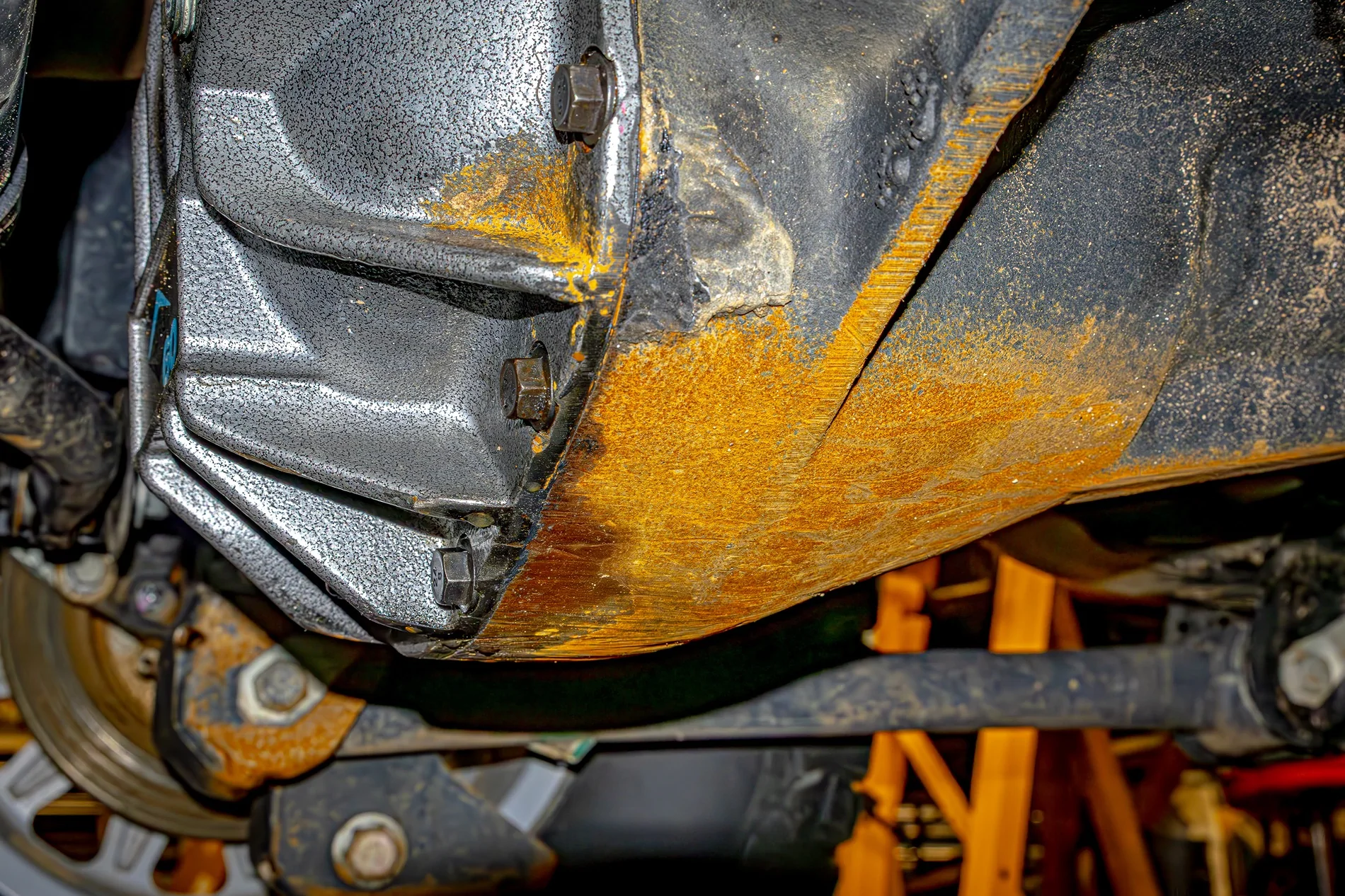
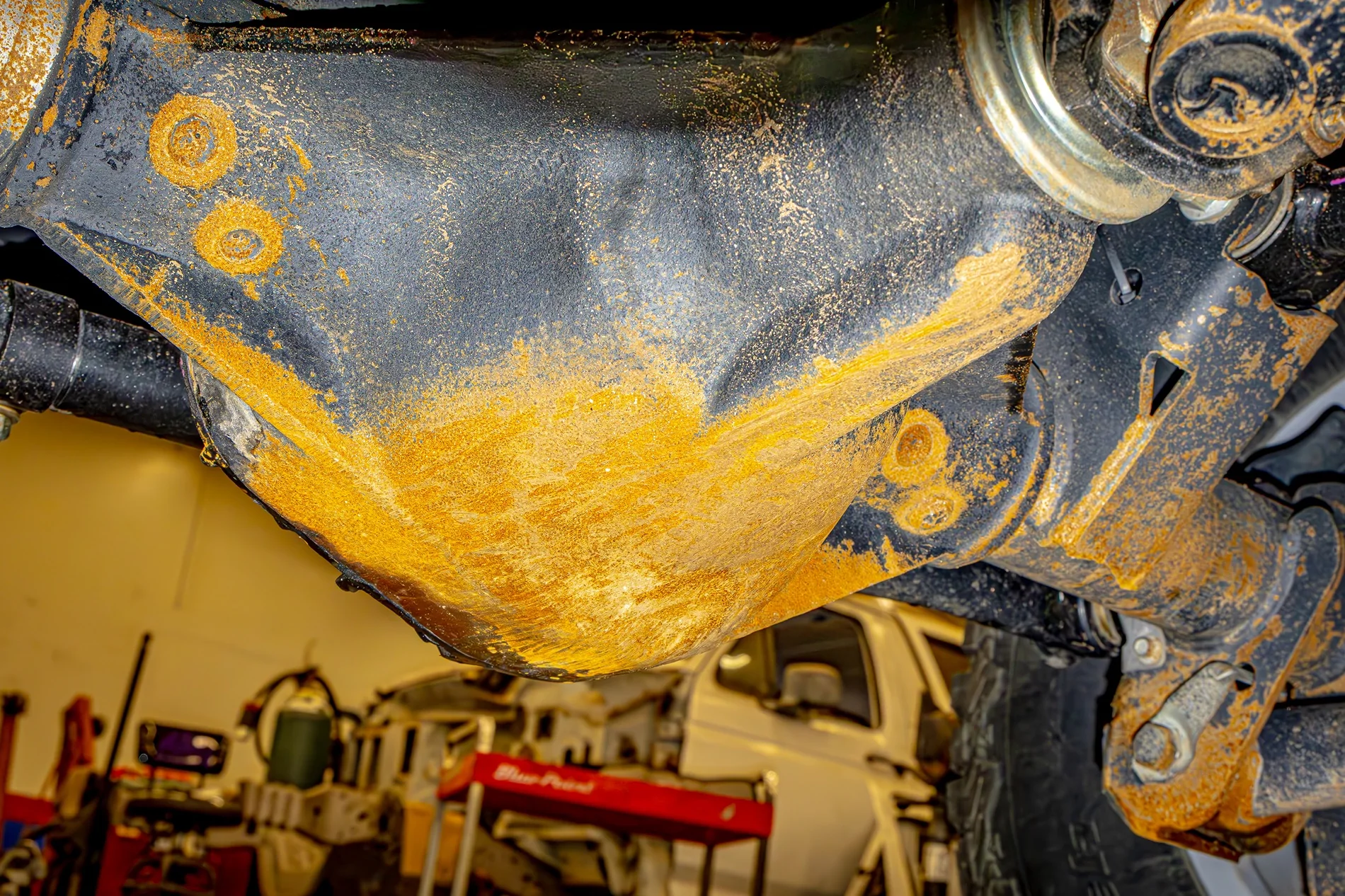
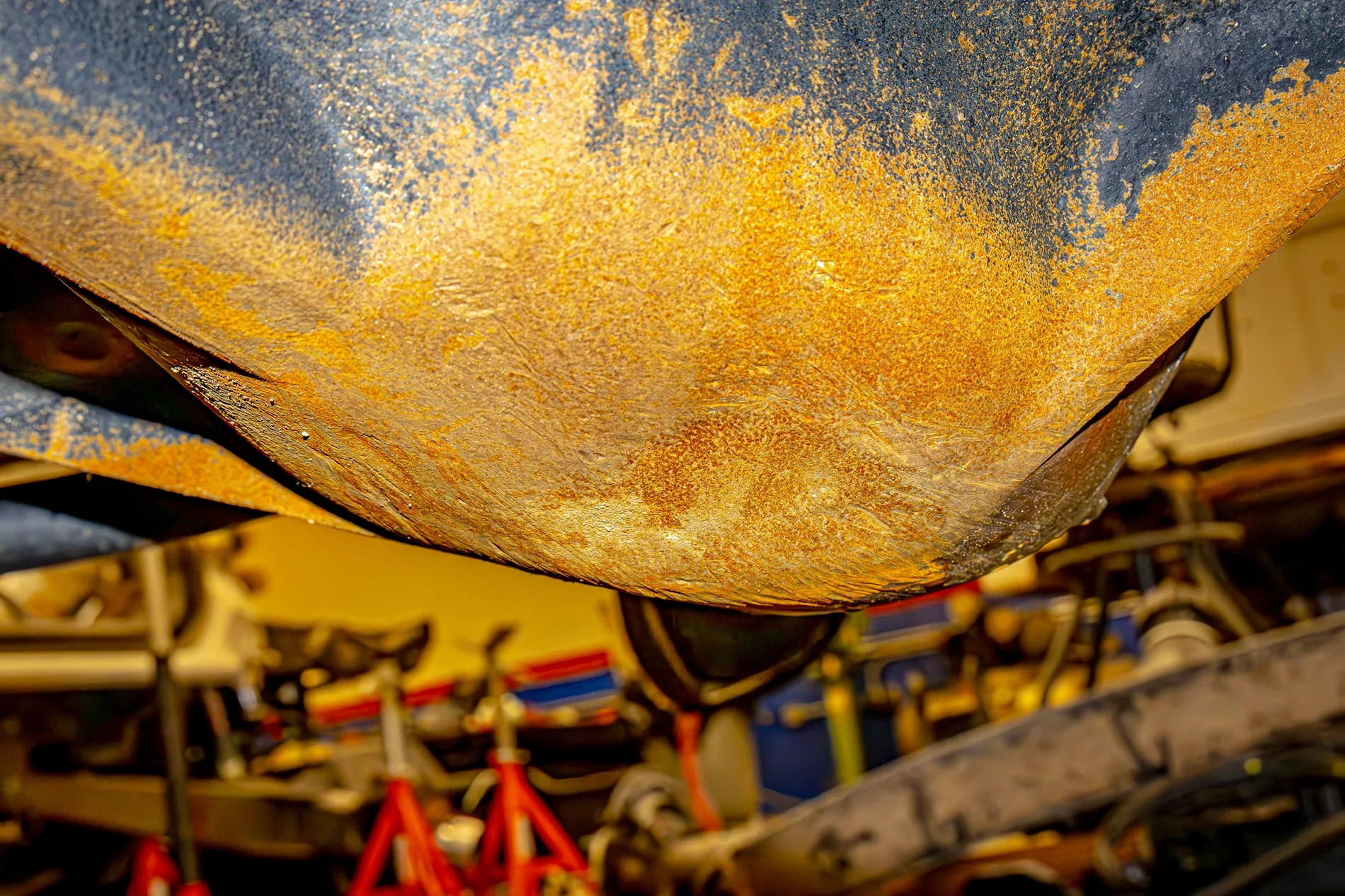
For the rear differential, I sought something a little stronger to withstand the demands of the race, which led me to choose a Dana 60. While we encountered no catastrophic failures with these components, the rear differential certainly took a beating. Around mile marker 500, I struck a rock dead center on the case with such force that it left a noticeable dent in the bottom. Remarkably, the case did not crack. The impact did spread it enough to break the seal, but it wasn’t race-ending. A bit of JB Weld and several oil top-offs later, the differential continued to perform.
Moving forward, I will invest in more armor plating for better protection. One aspect of this race that took me by surprise was the rock sections. While they might not pose a challenge at a normal pace, avoiding contact with these rocks at race speed proved quite difficult.
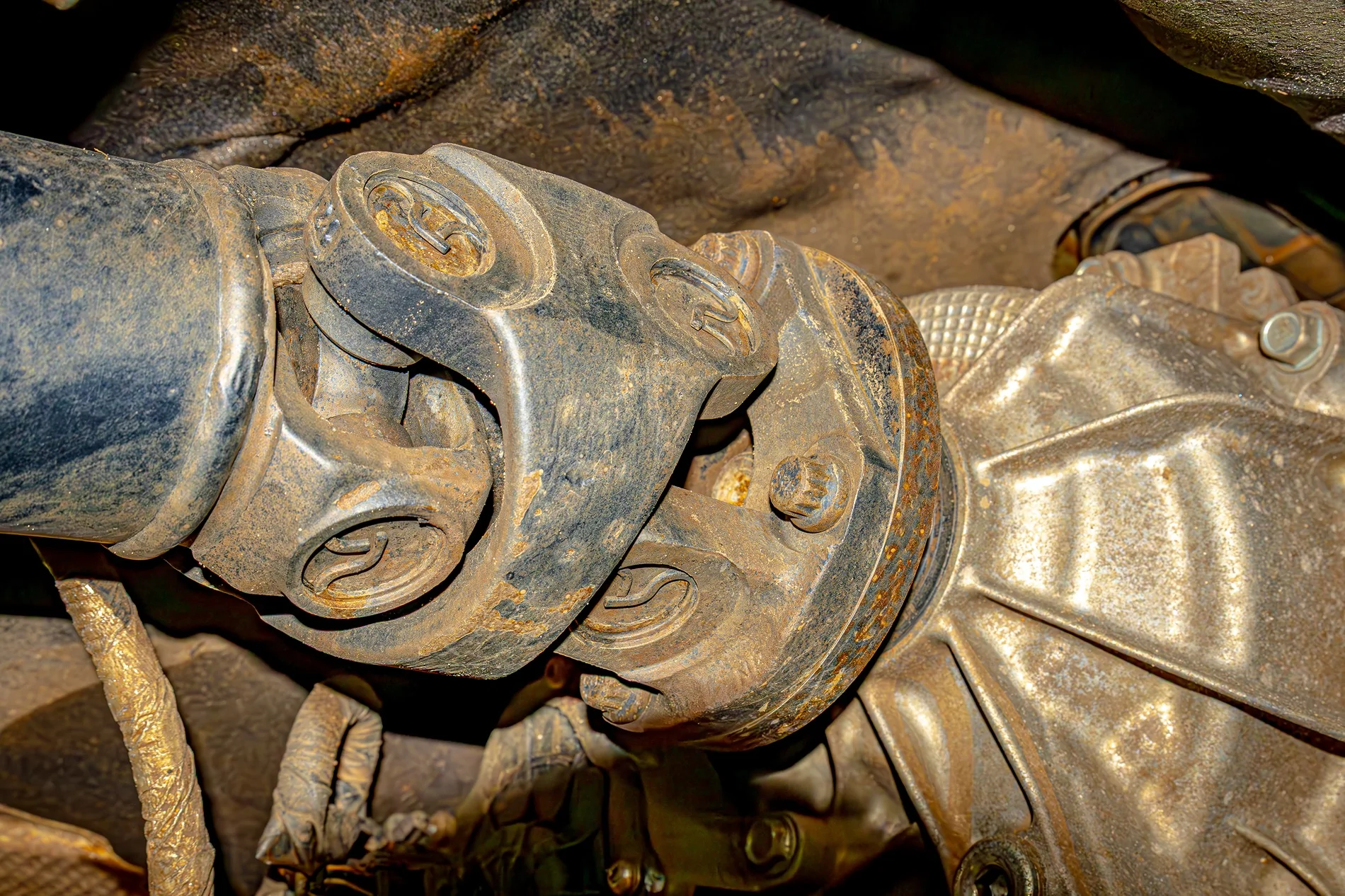
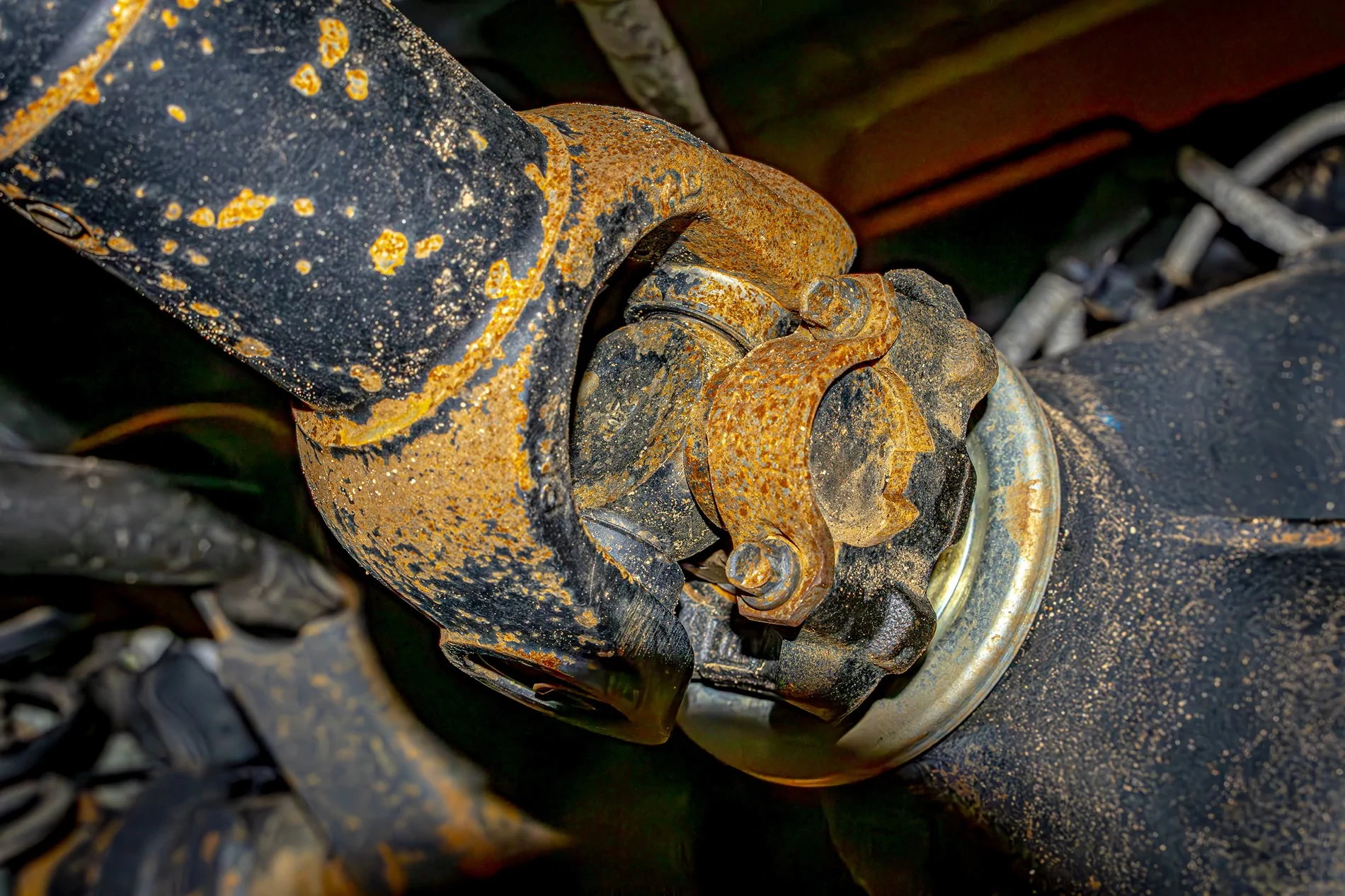
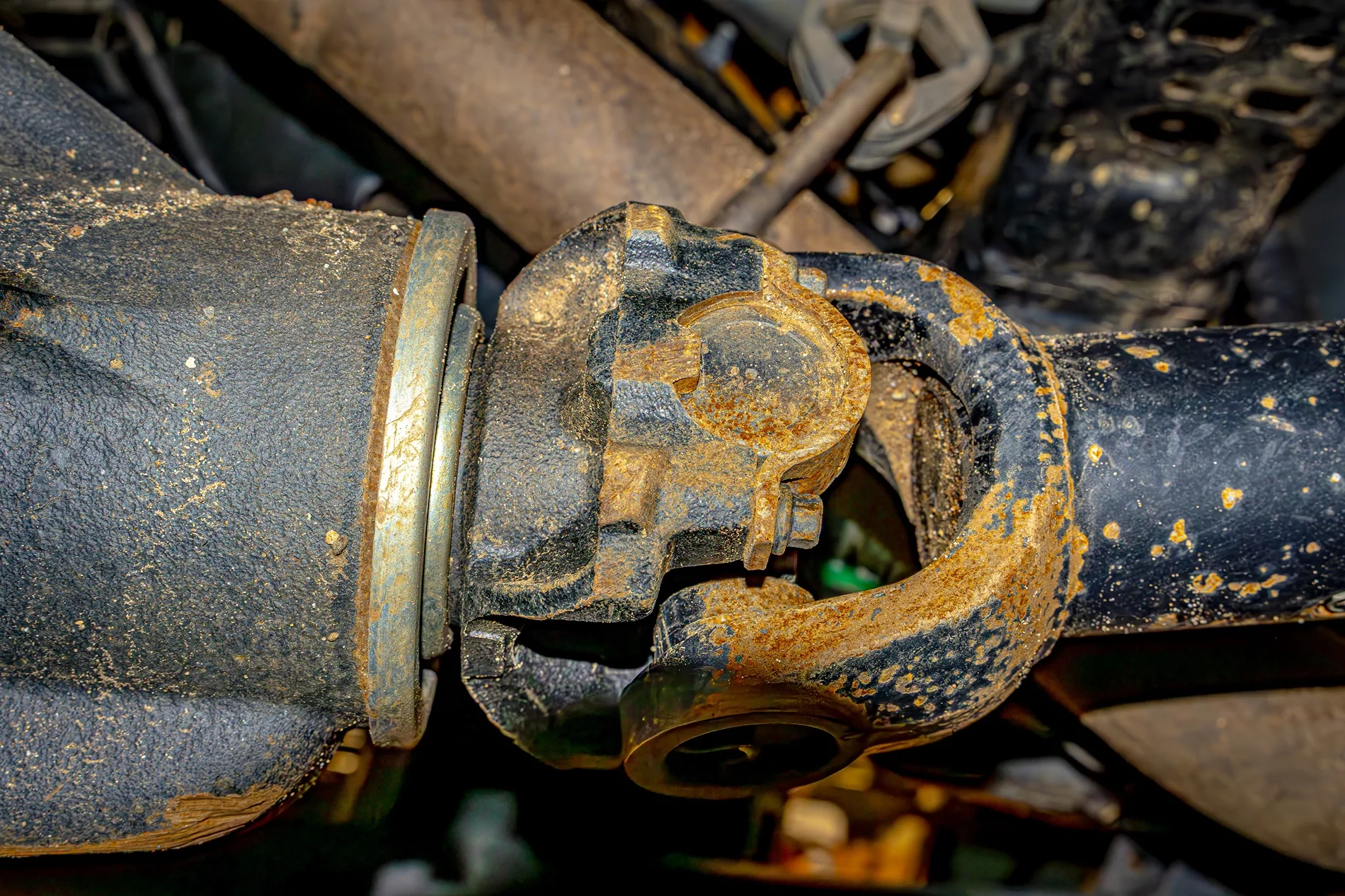
With the installation of the Dana 60, I also had to change the rear driveshaft. I went with Adams Drive Shaft for this component, and I want to give a huge shoutout to them. The driveshaft took some hard hits but never failed to operate effectively throughout the entire race.
Suspension
Aside from the shocks, the rear suspension components remained stock. Although I initially considered upgrading to different trailing arms, time and budget constraints ultimately led us to keep those components unchanged.
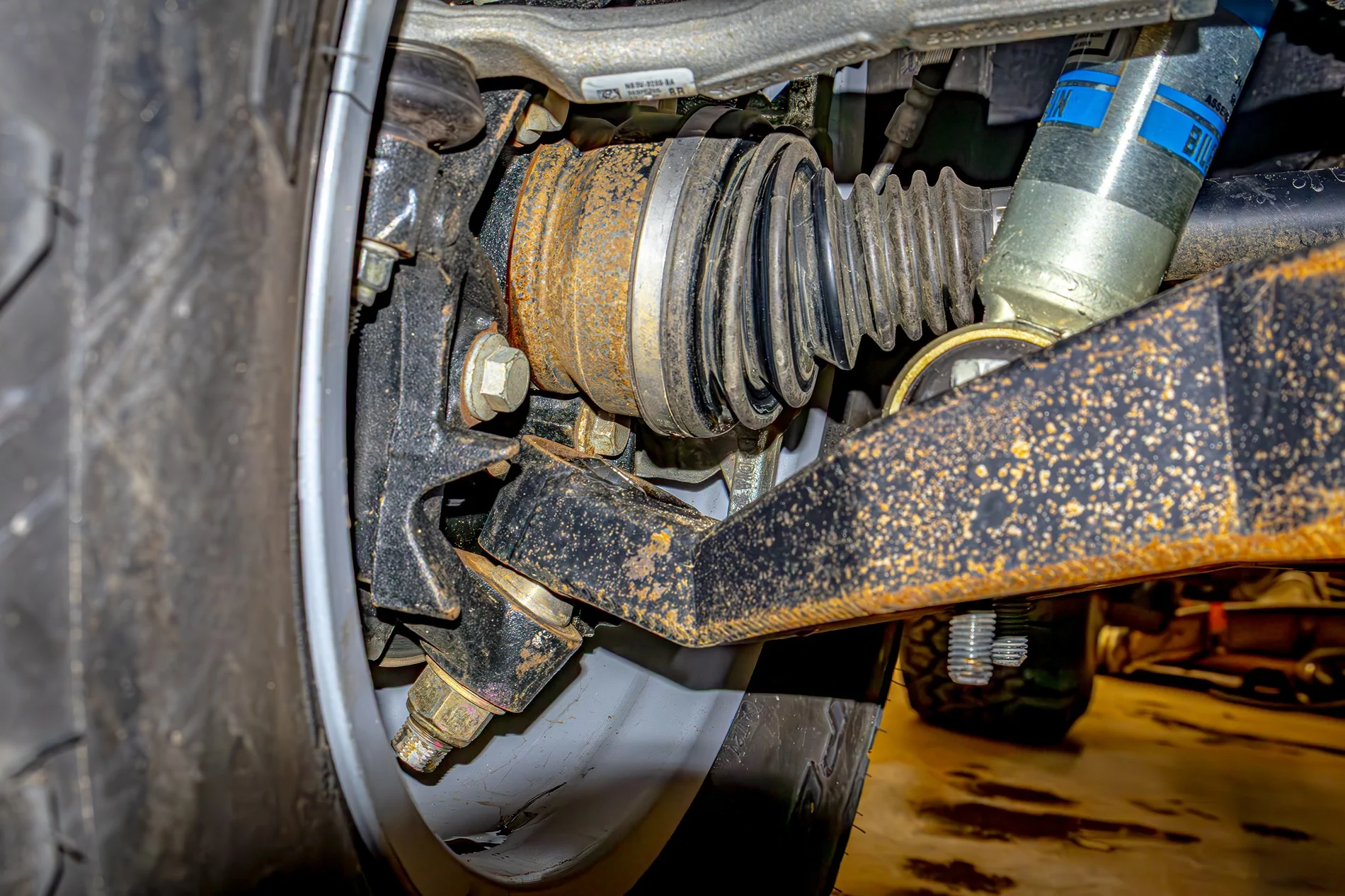
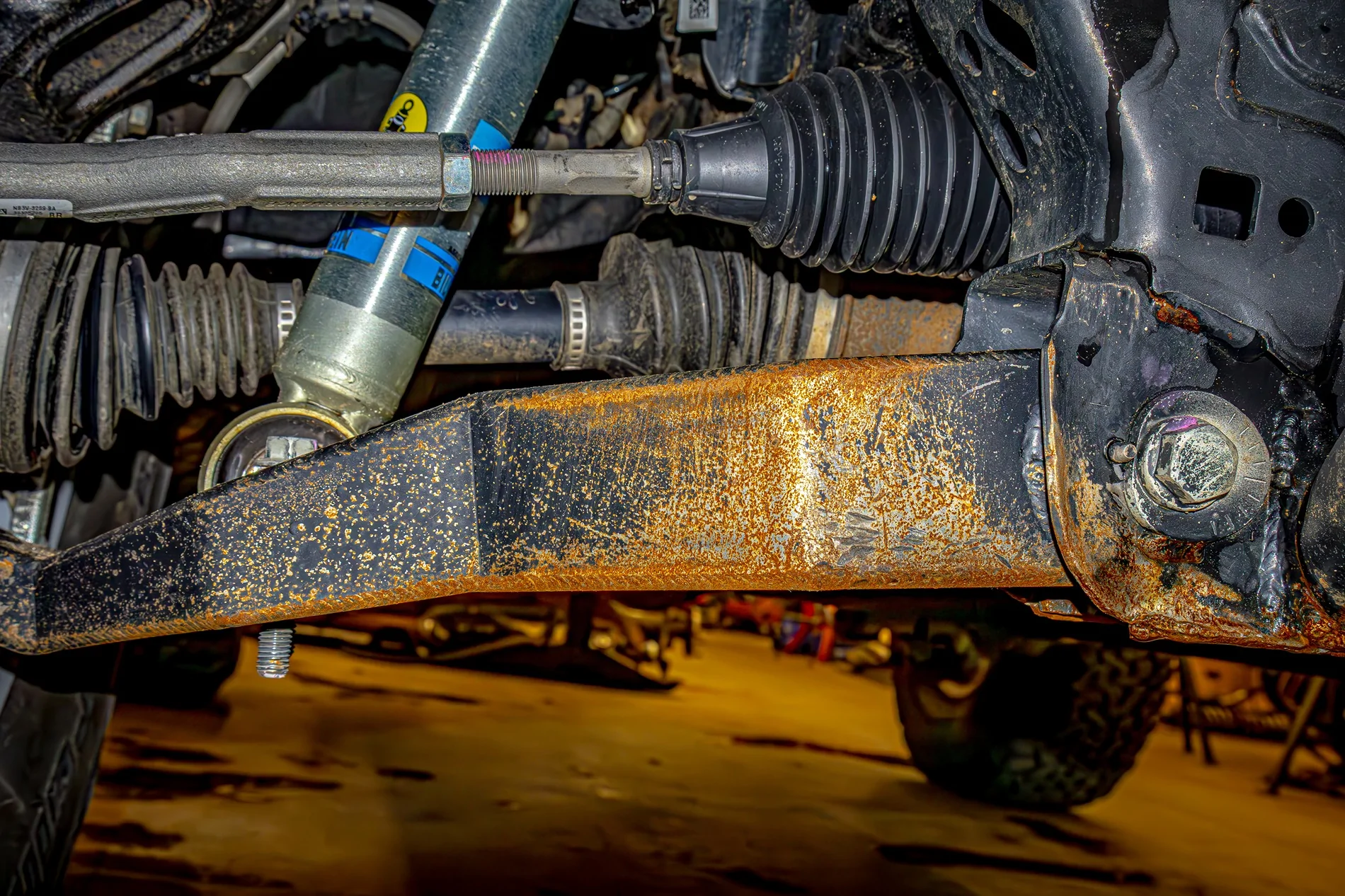
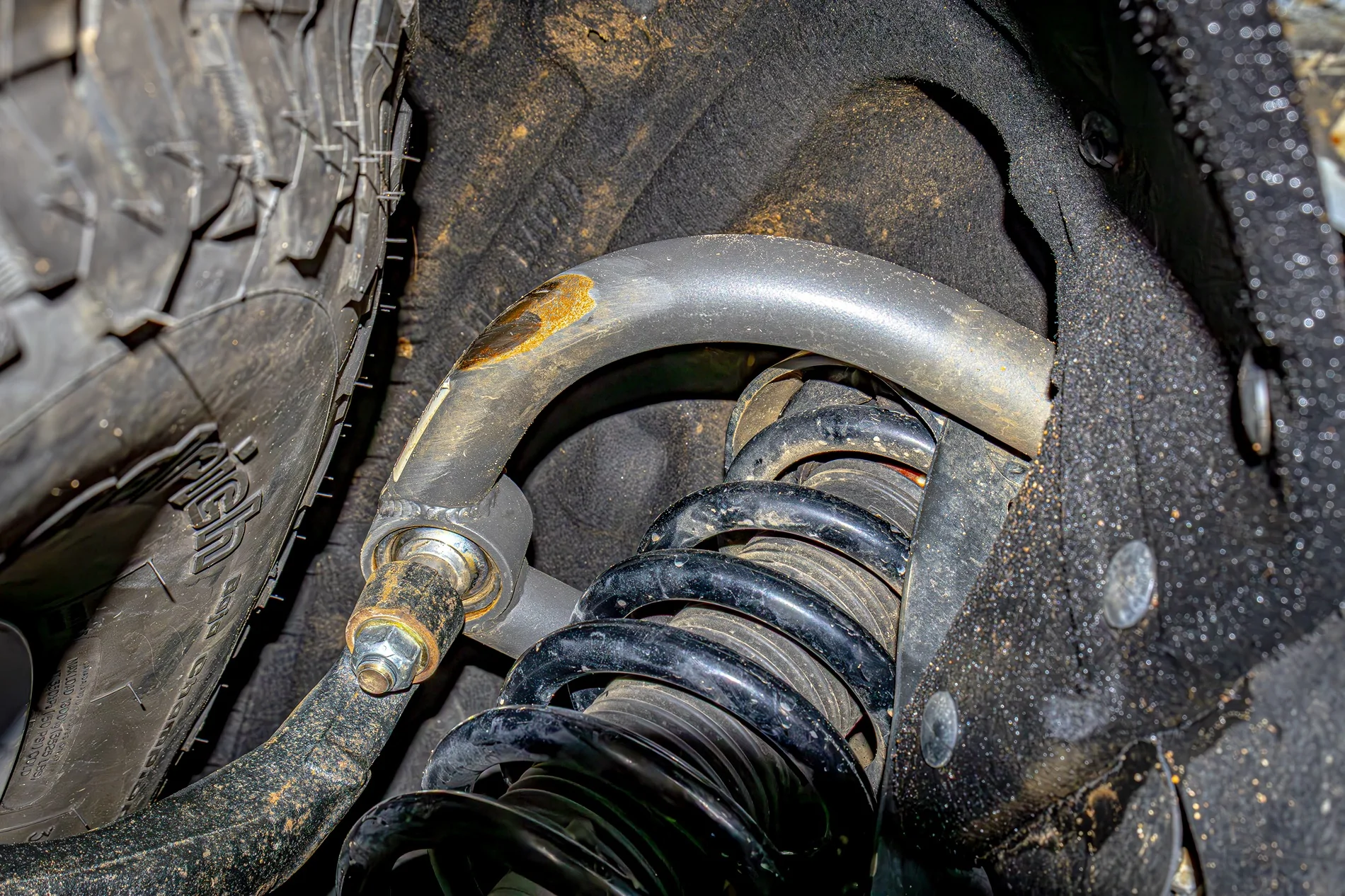
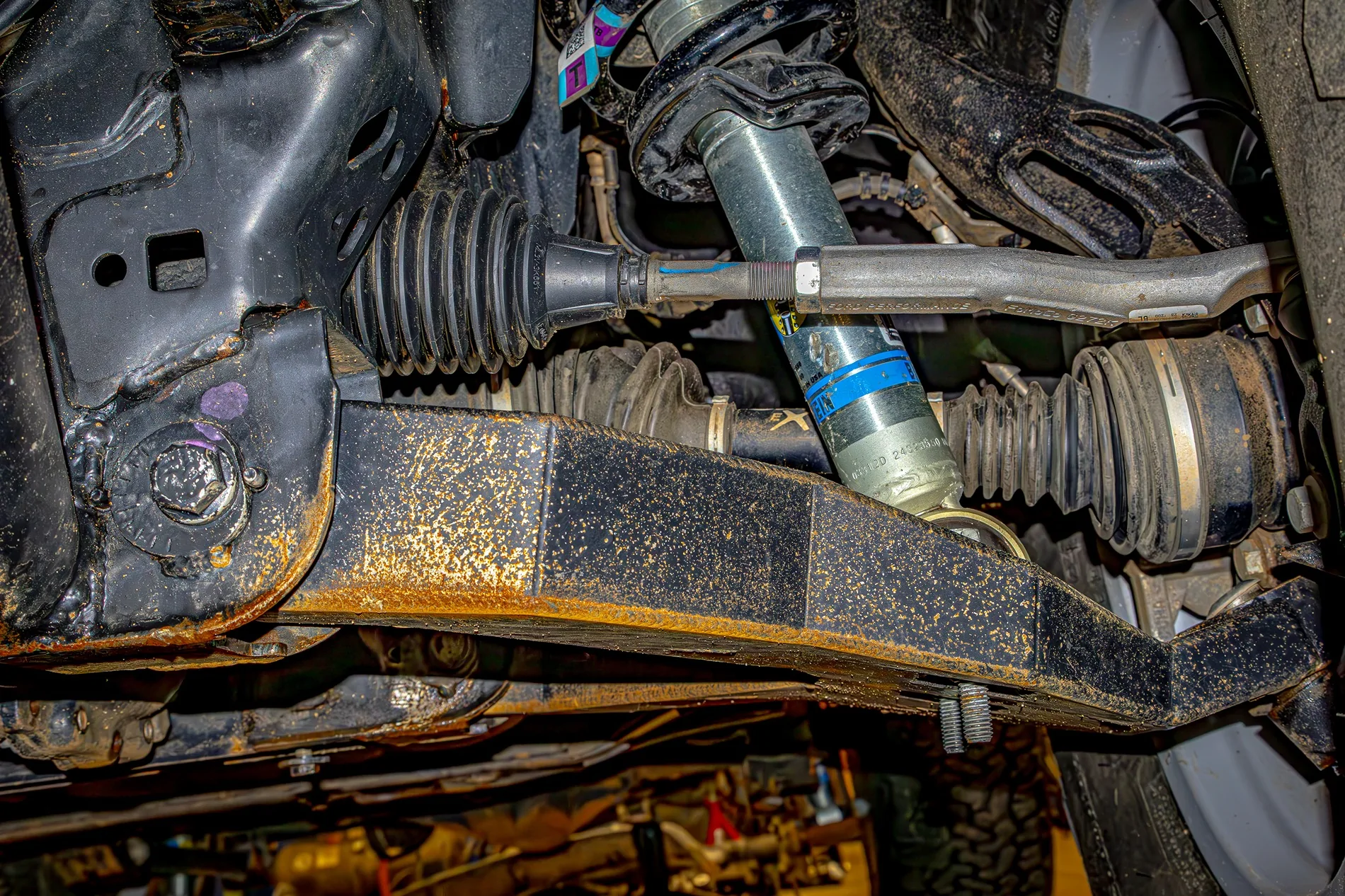
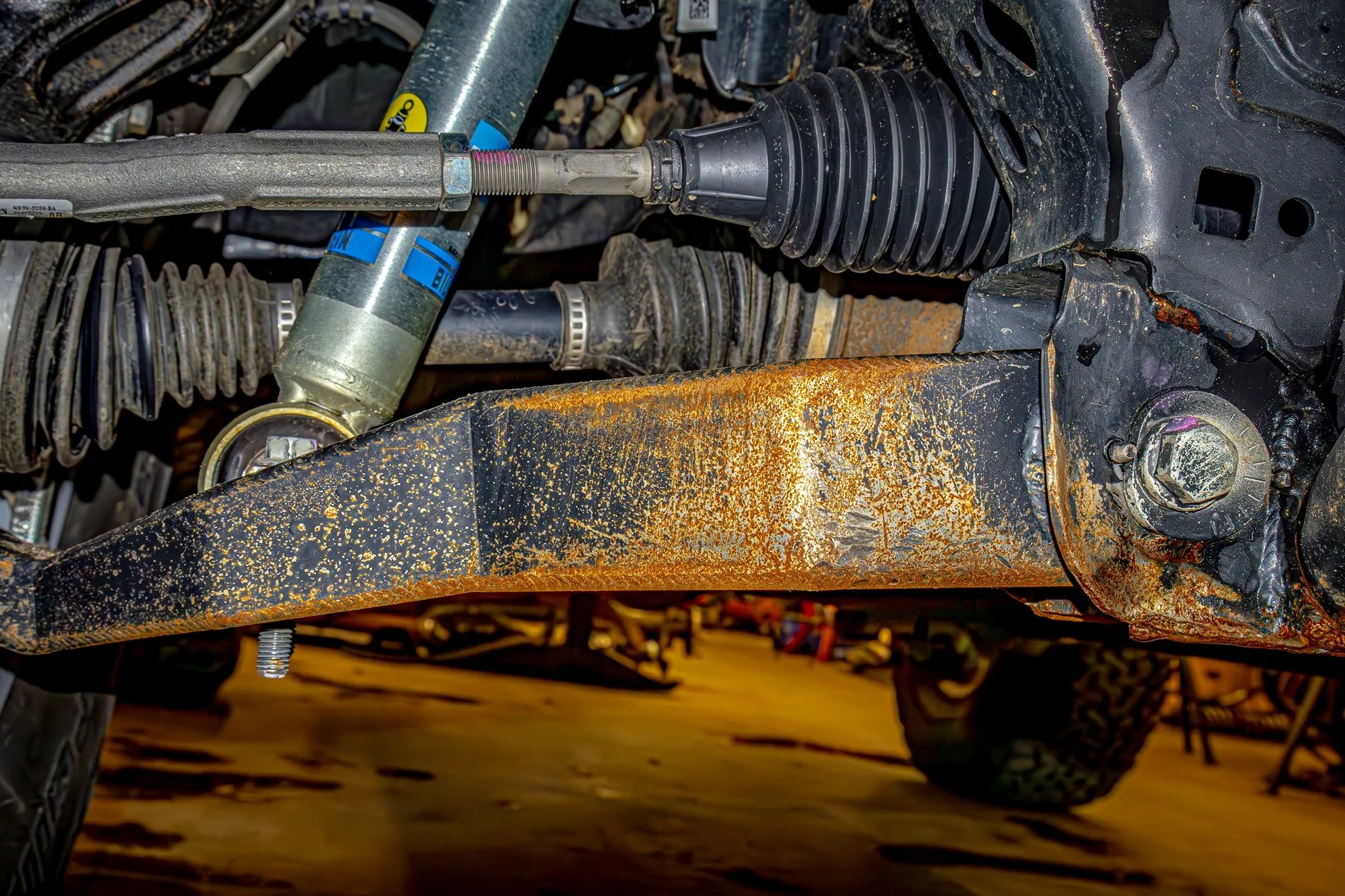
However, for the front end, we were required to make some changes. The accident that resulted in the vehicle being totaled had caused damage to these components, so replacement was necessary. We debated the option of going with a long travel suspension; however, Class 3 regulations require a track width limit of 85 inches. Since the factory width was 80 inches, our choices were pretty limited.
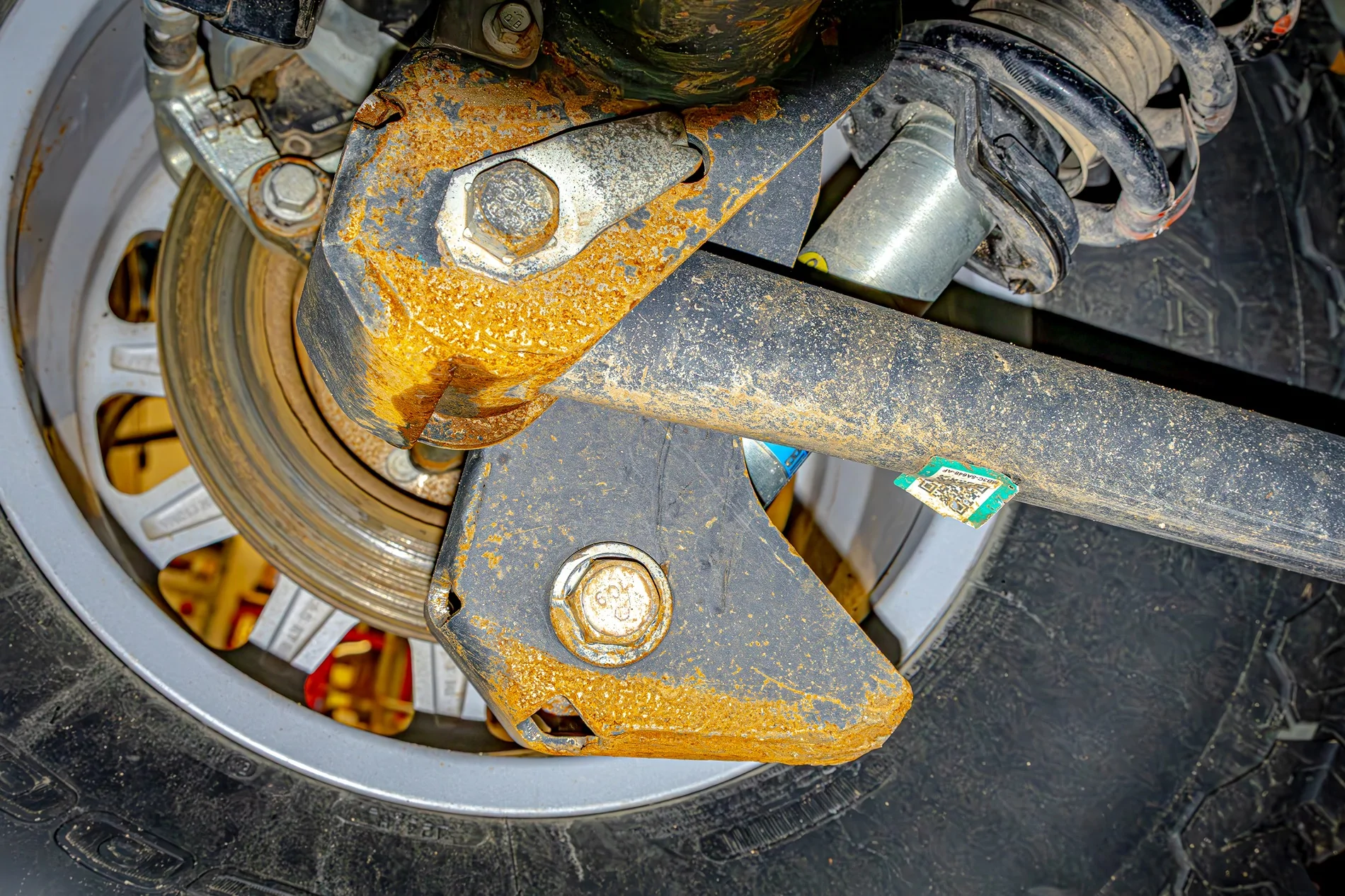
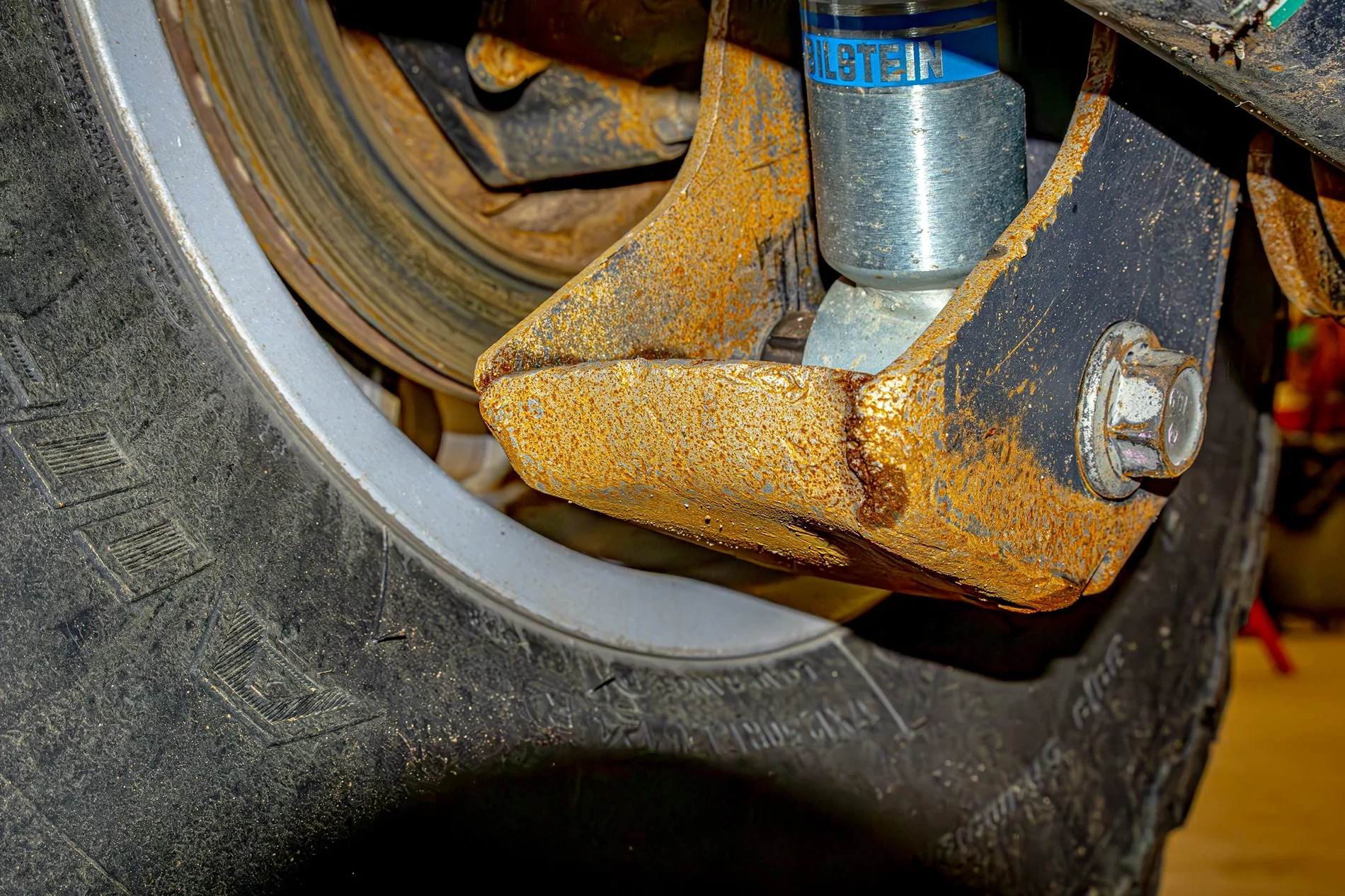
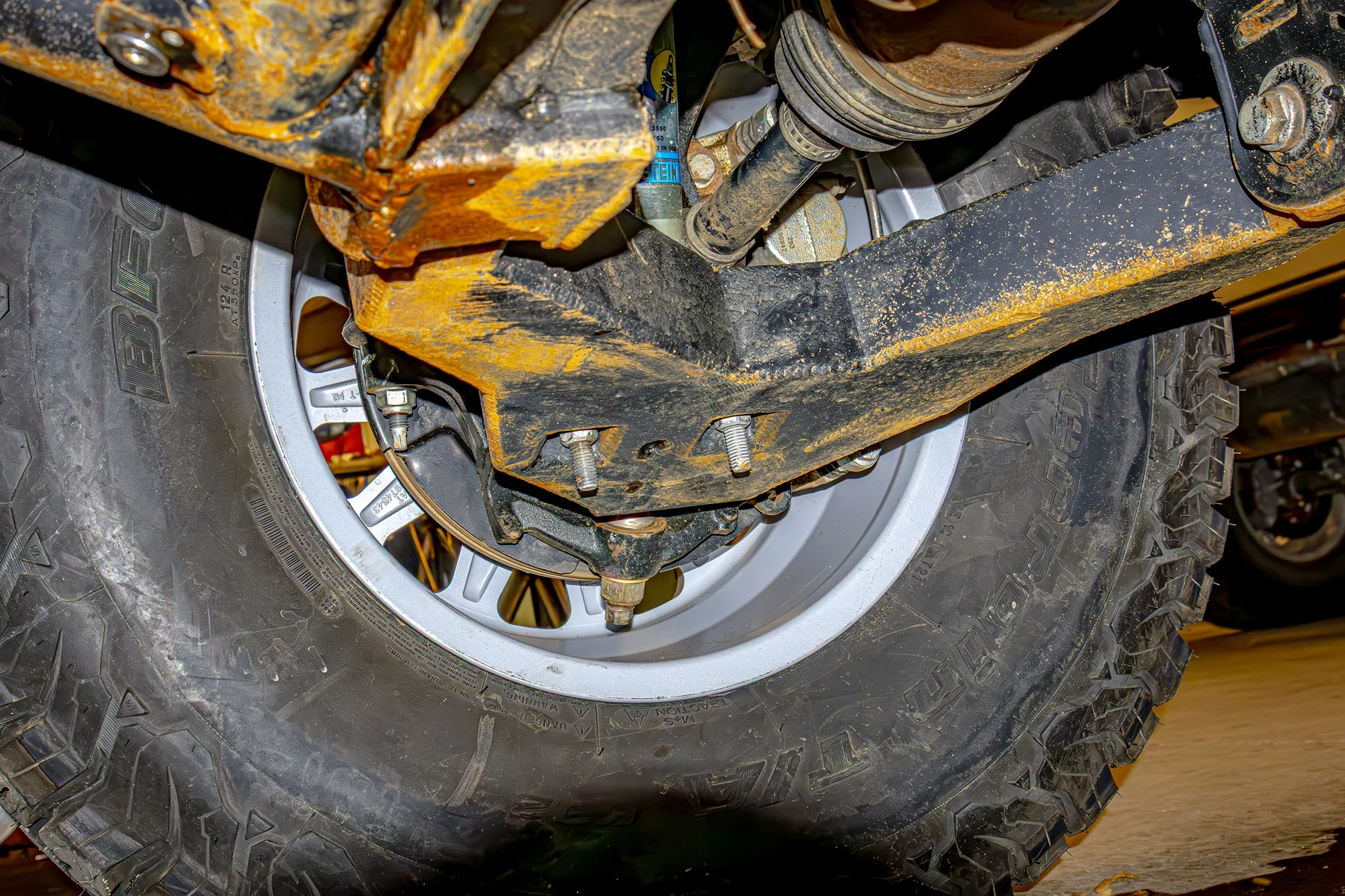
We ultimately partnered with Solo Motorsports for the upper and lower control arms. They offer a factory width kit that aligned perfectly with our class rules. This kit significantly strengthened the front suspension, and it held up remarkably well against everything the race threw at it. Towards the end of the race the passenger lower control arm took a pretty hard direct hit from a rock. Surprisingly, it only sustained a few small marks without any structural damage. I was truly impressed with the performance of these components.
Wheels/Tires
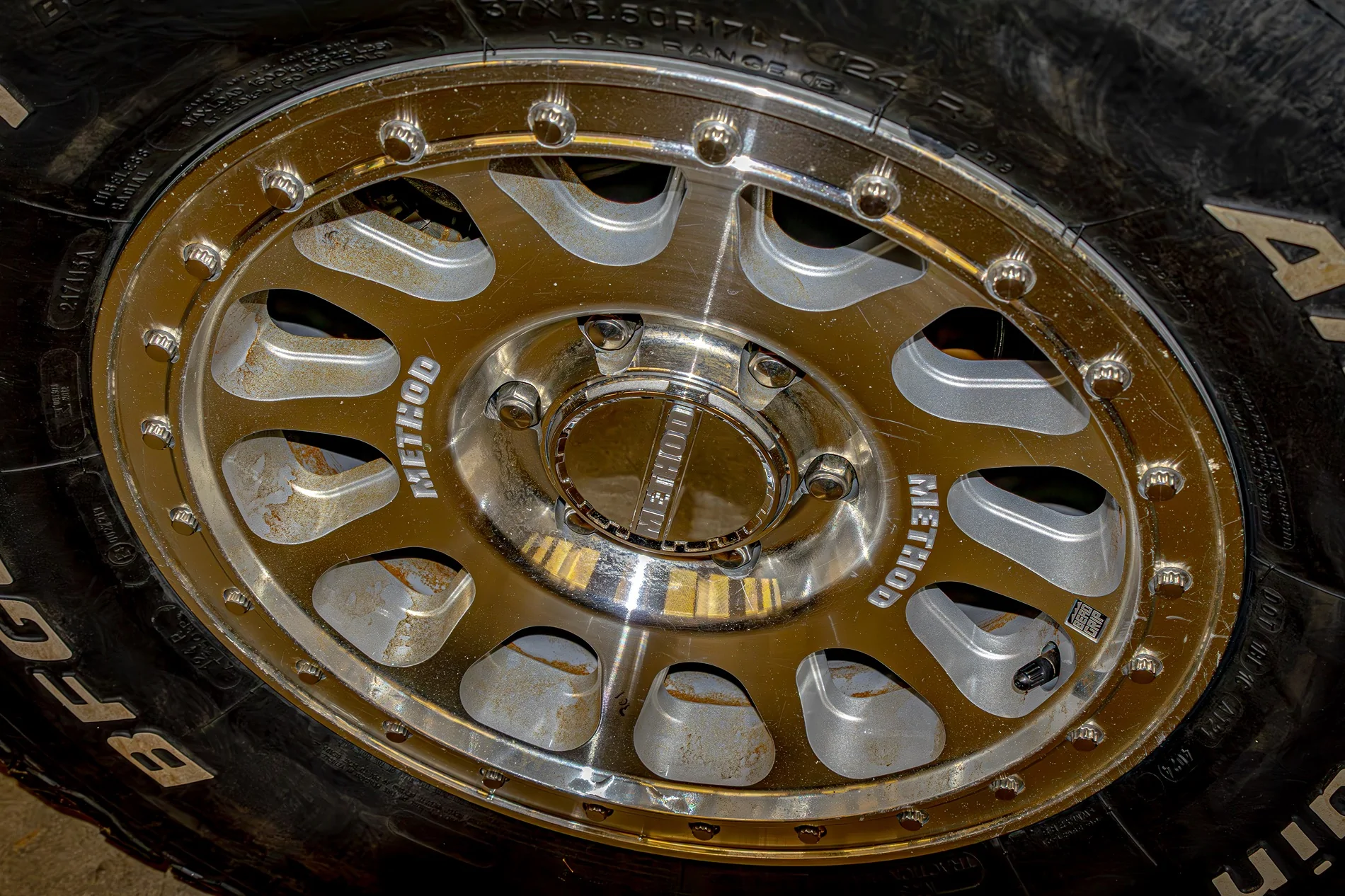
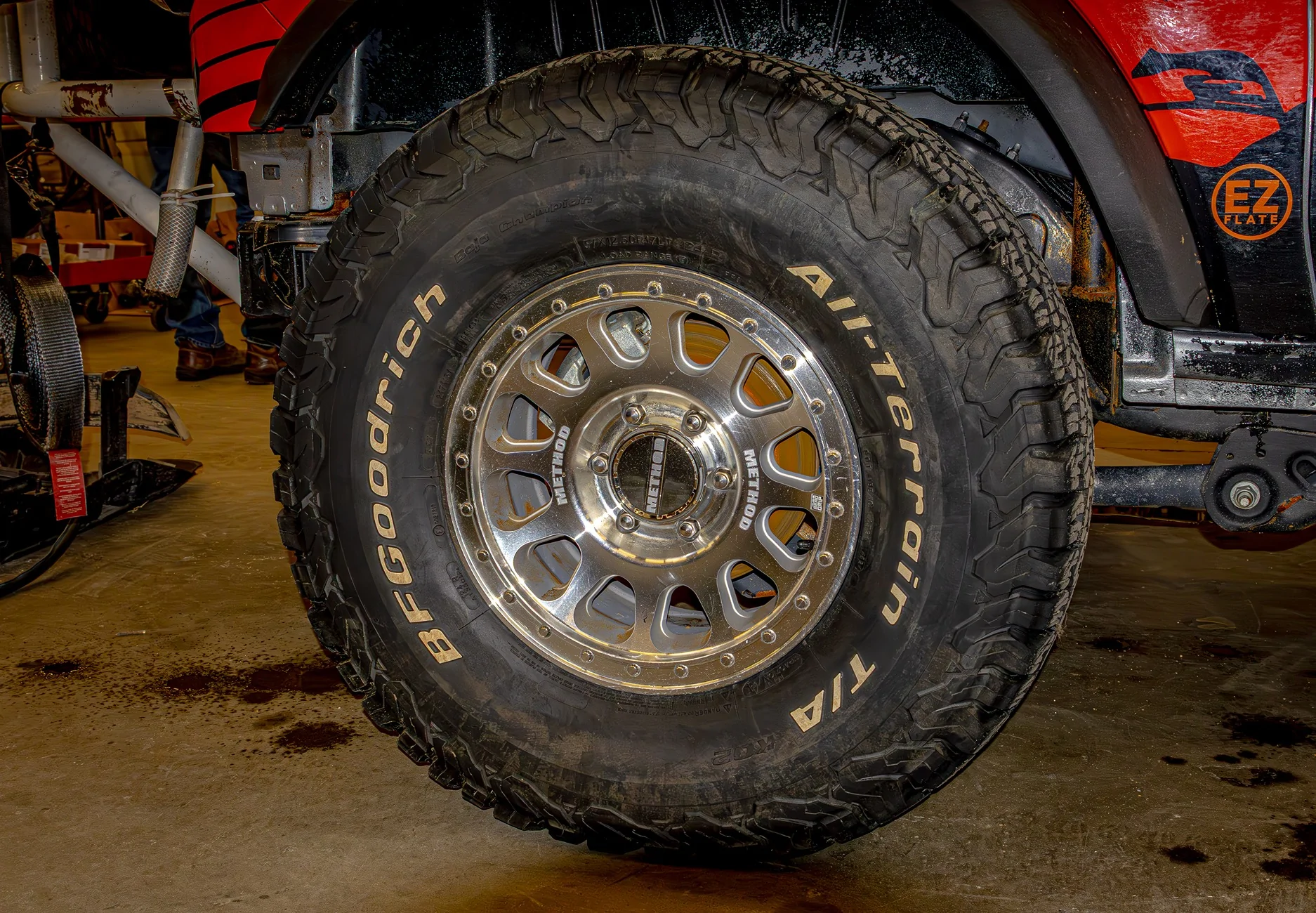
Choosing the right wheel and tire combination was a significant focus for me leading up to the race. My primary objective was to keep rotational mass as low as possible while maximizing functionality. Ultimately, I decided on the Method 709 wheels paired with BFG KO2 tires.
The Method 709 wheels feature a bead grip design that offers weight savings compared to traditional beadlock wheels. These wheels truly lived up to the hype. We ran the race at around 20 PSI, and not once did we ever break the bead. They are incredibly lightweight yet sturdy enough to remain usable even after driving on a flat for the last three miles of the course.
As for the tires, I opted for the KO2s due to their weight advantages. After doing some research, I found these tires to be one of the lightest options available for 37" tires. While the weight savings certainly had its benefits, I plan to seek out tires with sturdier sidewalls for future races. We experienced a total of three flats during the race, all caused by sidewall damage. While the KO2s are great for road comfort and provide decent off-road performance, enduring 36 hours straight in the conditions of Baja demands a bit more durability.
Fab Work
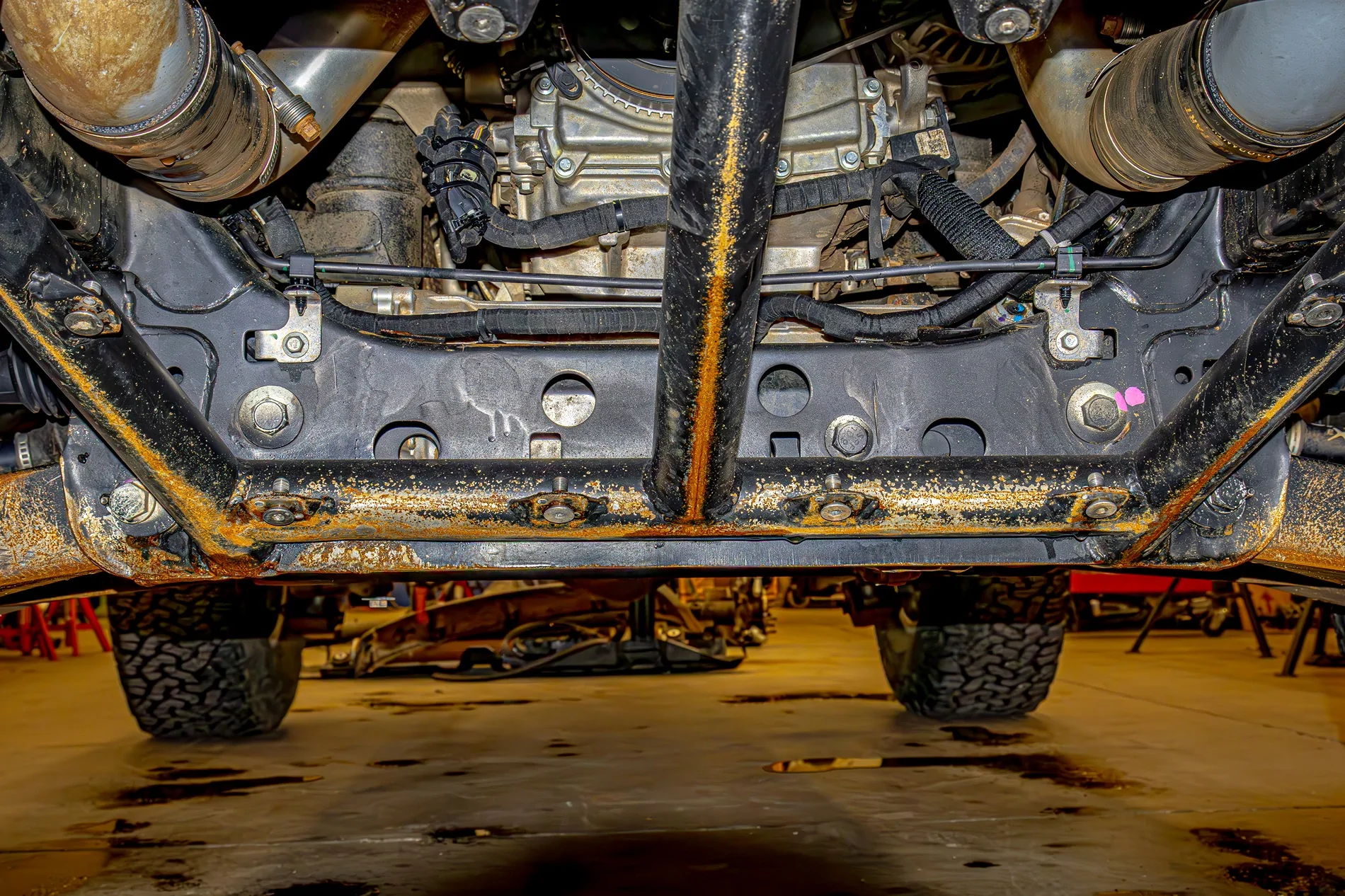
The fabrication process of the build was extensive, with the roll cage requirements taking the longest to complete. SCORE has stringent standards when it comes to safety, which means that modifications suitable for other racing organizations, such as Ultra 4, may not meet SCORE's regulations. Therefore, prior to purchasing the vehicle, thorough research is critical. Each race organization has unique requirements, so it's essential to dive deeply into their rule books. From that foundation, you can select a race class and begin the build process.
My vehicle qualifies for both Class 3 for SCORE and 4600 for Ultra 4. Although these classes share some similarities, they also have significant differences.
For performance related fabrication, we made several enhancements to improve drivability and reliability. We added gussets throughout the vehicle to increase strength. Key locations included mounting points for the lower control arms, double shears for the upper control arm bolts, and additional gussets to reinforce the strength of the FDU mounting points.
One of my objectives was to also do a battery relocation to minimize weight on the front end. To do this we moved the battery to the rear, positioning it next to the fuel cell. I could spend hours discussing the intricacies of the fabrication work, but to avoid turning this post into a complete novel, I’ll keep it concise. If anyone has questions regarding the fabrication process, please don’t hesitate to reach out!
Also, huge shout out to Southwest Performance for the fab work. Those guys built an absolutely beautiful race vehicle.
Windshield Removal
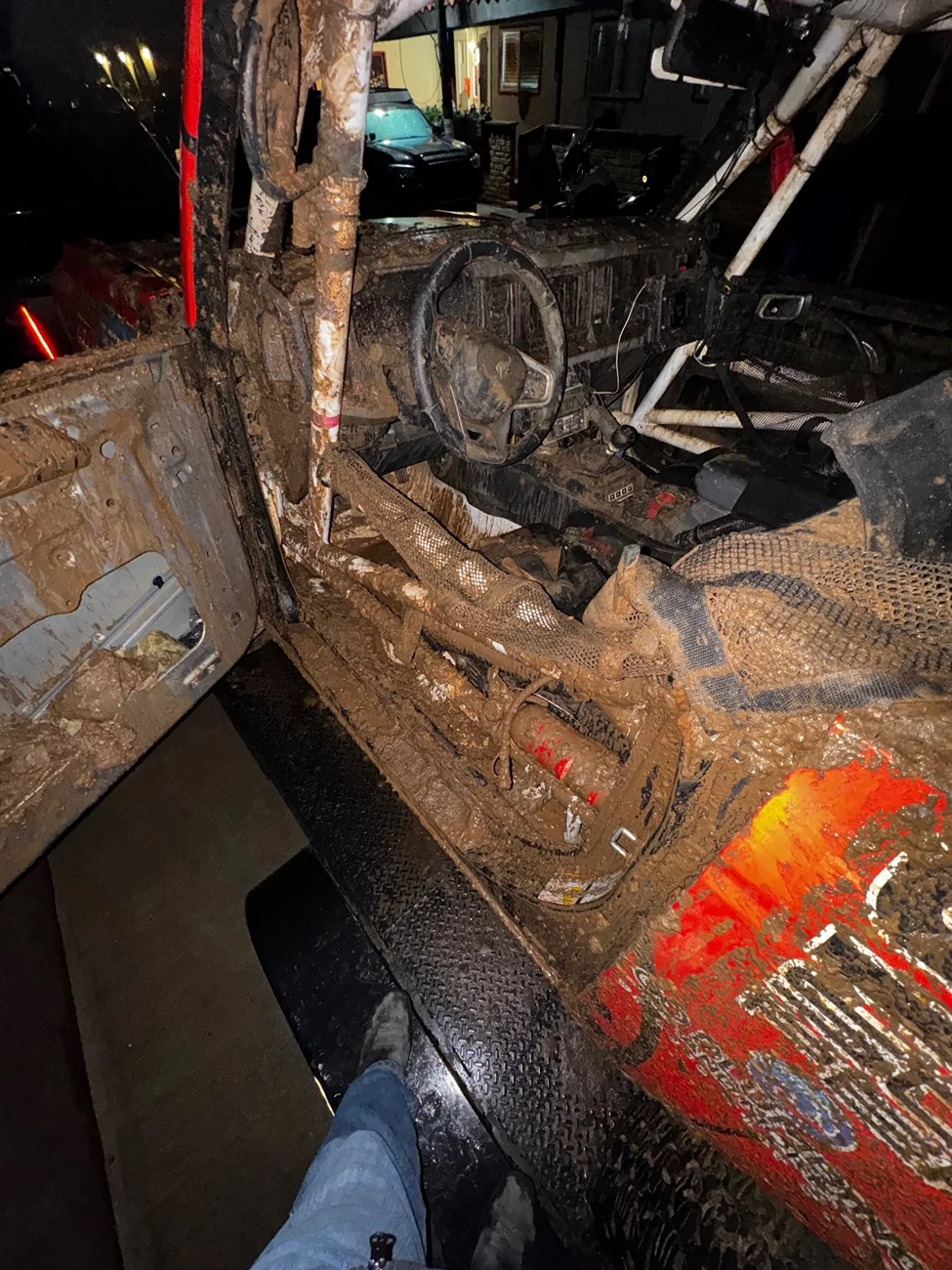
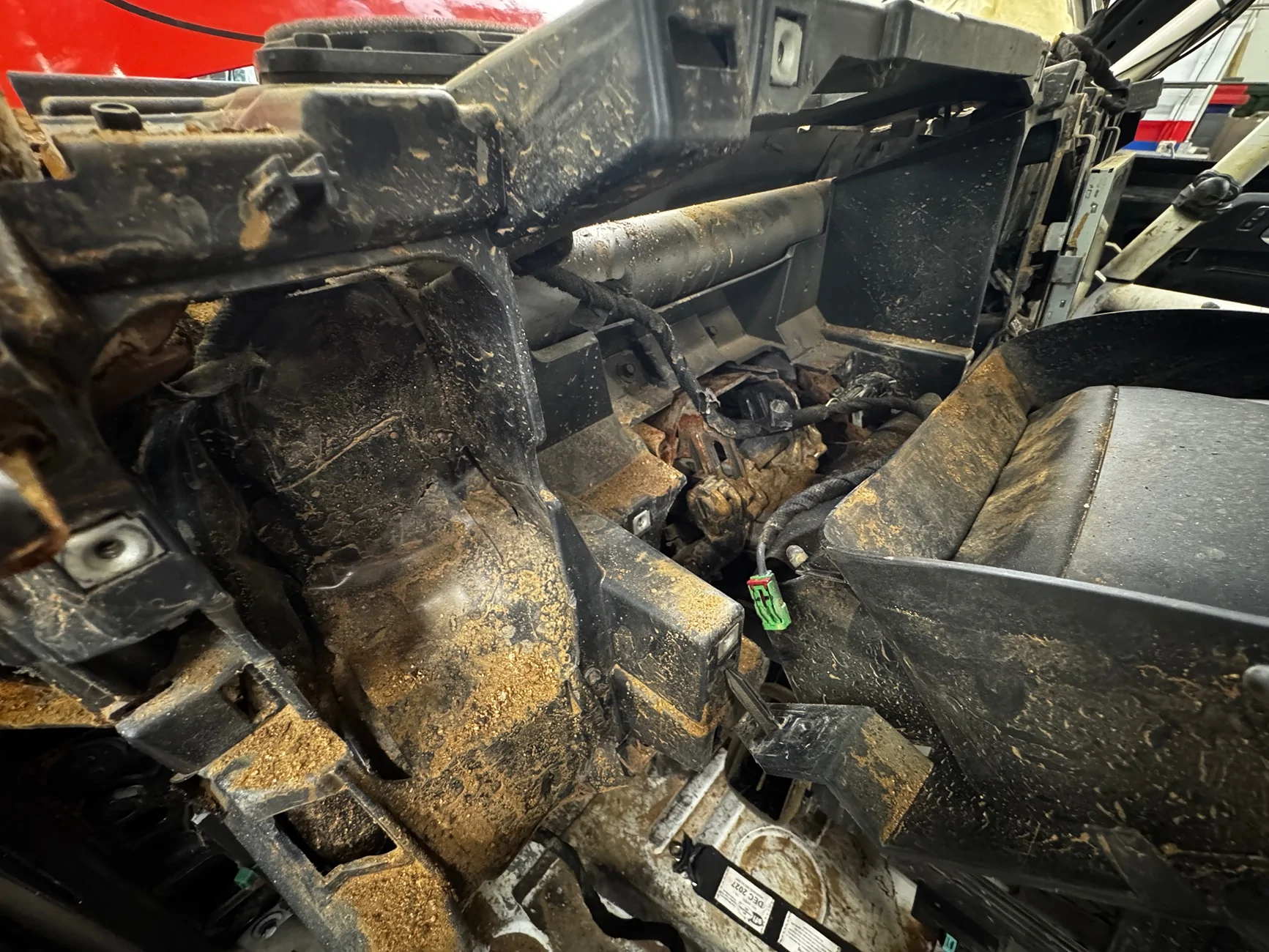
The decision to remove the windshield had a significant impact on our race. As previously mentioned, the weather conditions this year were among the worst SCORE has seen in decades. Initially, we made the choice to ditch the windshield, reasoning that it was desert racing and expected minimal rain. However, we certainly were not prepared for the torrential downpour we saw.
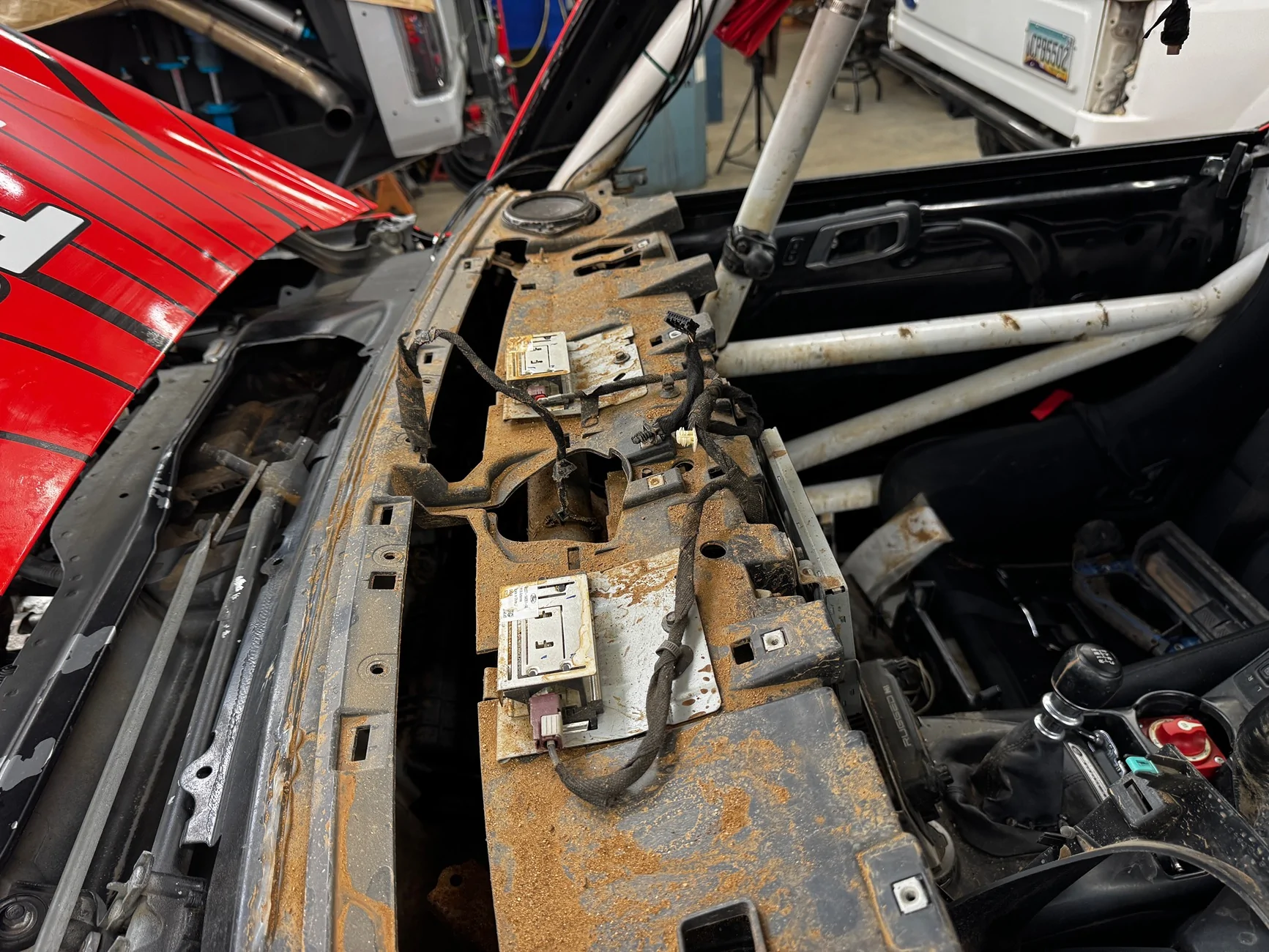
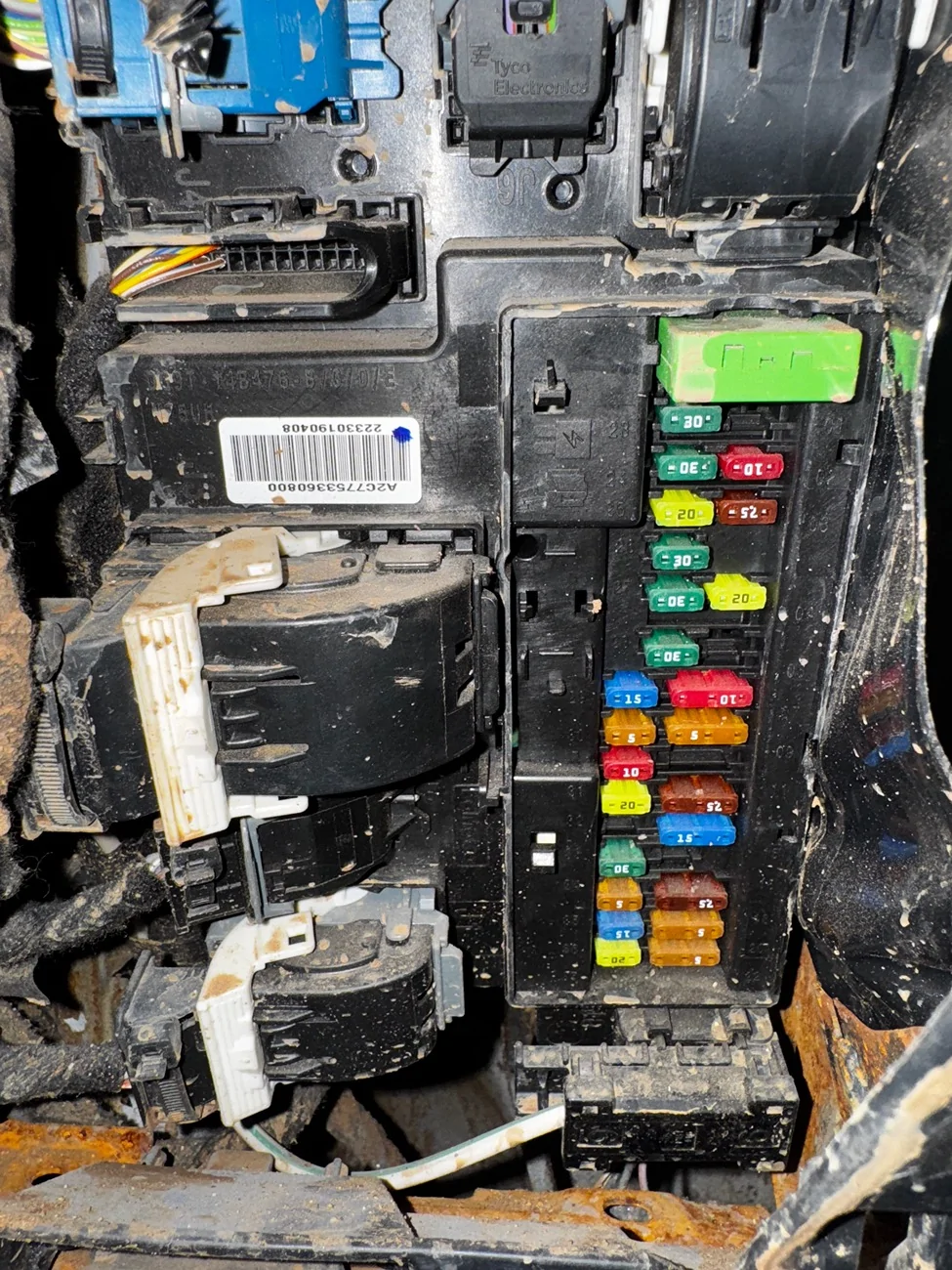
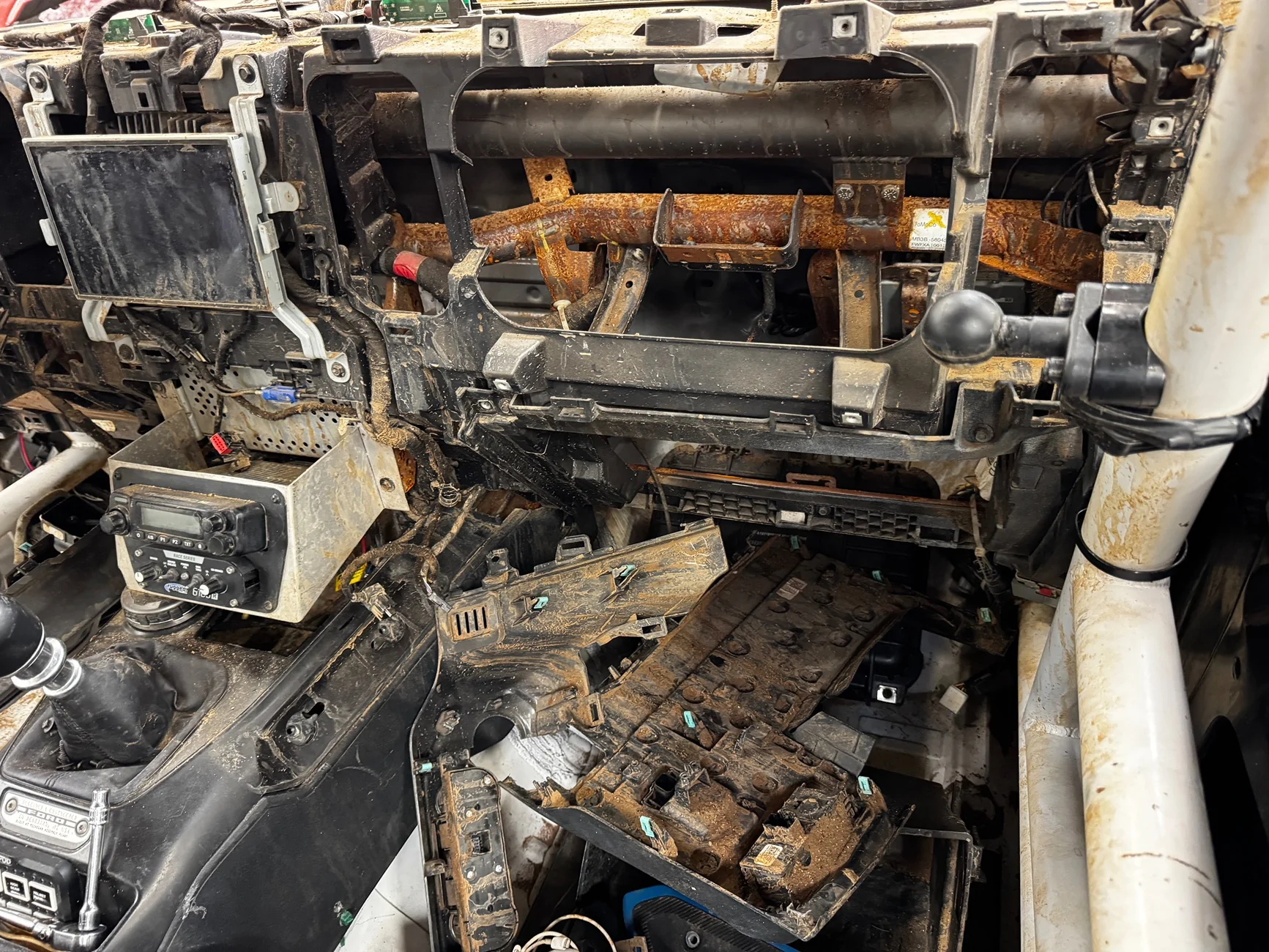
Despite the lack of a windshield, we were cautious about water exposure, especially considering the BCM is a critical component that can malfunction when drenched with water. To lower this risk, I took some precautions to waterproof the dashboard. Every small hole was filled with silicone, while larger openings were covered with Flex Seal tape. We also secured the entire front portion of the dash with silicone to provide additional protection.
Once we learned about the impending rain, we went back in and reinforced our efforts with even more Flex Seal tape, hoping to shield the BCM from getting soaked. Unfortunately, despite all these precautions, everything under the dash still ended up drenched. The seals I had applied on the front eventually failed after enduring hours of harsh terrain, allowing water to leak in. Remarkably, the BCM functioned flawlessly throughout the race.
However, moving forward, I would absolutely prefer to have a windshield if we anticipate rain. This consideration is not just for protecting the electronics but for our own safty as well. Experiencing hypothermia for the first time is definitely enough motivation to keep the windshield on moving forward.
The End Result
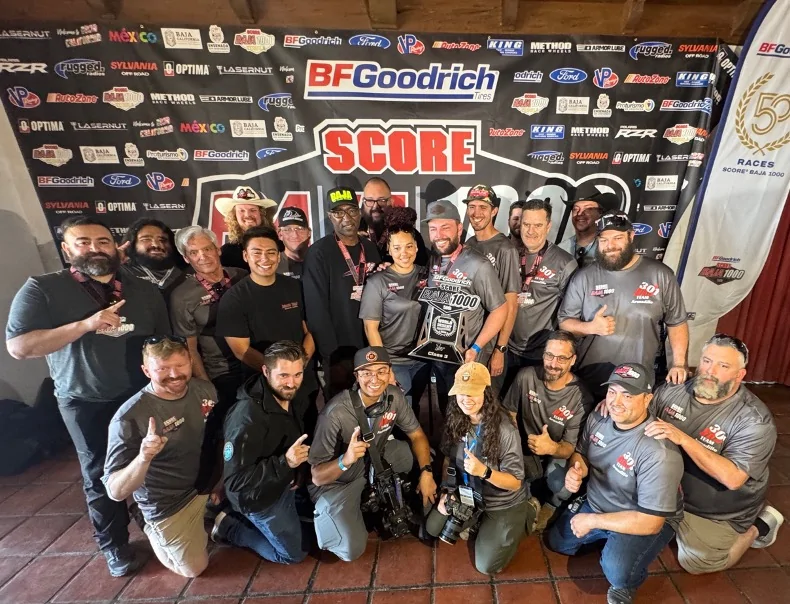
We faced every challenge imaginable in getting our vehicle across the finish line. As a rookie team that few expected to succeed, we encountered challenges every step of the way. Despite all of this, we never quit. We pushed our minds, bodies, and equipment to their absolute limits. Regardless of what was thrown our way, we managed to not miss a single VCP and crossed that finish line.
I couldn't be more proud of this true grassroots team. Everyone came together with minimal experience regarding what we were up against, and we ultimately pulled through. This race has been an incredible learning experience, and we're already looking forward to the 2026. Moving forward the goal isn’t just to simply cross the finish line, it’s to be more competitive. We’ll see you all down in Baja!
Sponsored